As the clock strikes midnight and the calendar turns to a new year, the United Kingdom has witnessed a myriad of traditions that have evolved and transformed over the decades.
Join us on a nostalgic journey through time as we explore the New Year traditions that have shaped the cultural tapestry of the UK.
The Roaring Twenties and Thirties
In the 1920s and 1930s, the UK bid farewell to the sober post-war years and embraced the roaring twenties with exuberance.
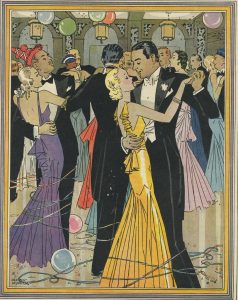
New Year’s Eve became a glamorous affair, with lavish parties, flapper dresses, and jazz music setting the tone. The iconic image of the clock striking twelve amid the buzz of the Charleston dance epitomized the spirit of the era.
Austerity and Hope in the 1940s
During the 1940s, the UK faced the challenges of World War II, and New Year’s Eve took on a more somber tone.
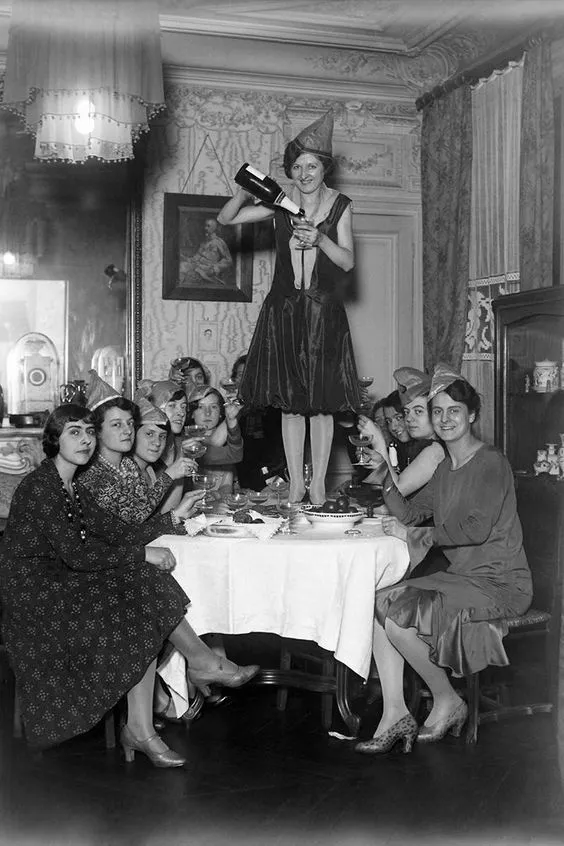
Amidst the blackout curtains and rationing, communities gathered for simple but heartfelt celebrations. Reflecting on the hardships of the year gone by, the arrival of a new year brought a sense of hope and renewal.
Swinging Sixties and Counterculture
The swinging sixties brought about a cultural revolution, and New Year’s Eve celebrations mirrored the spirit of the times.
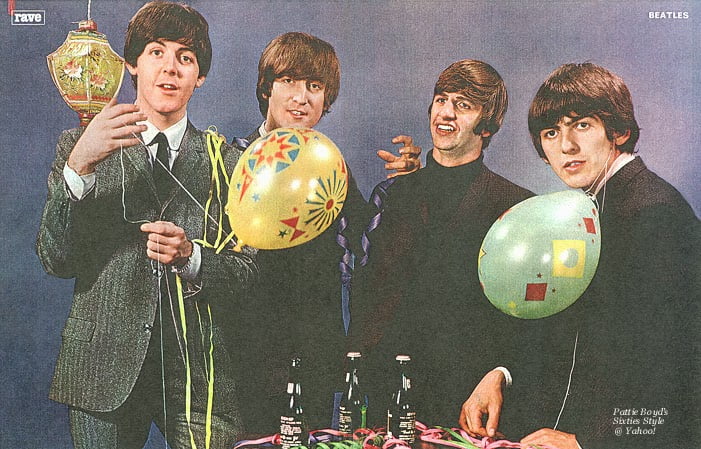
From the Beatles’ performances on televised specials to the explosion of color and fashion, the 1960s ushered in a sense of liberation and experimentation. Traditional gatherings coexisted with avant-garde celebrations, symbolizing the diversity of the era.
Disco Fever in the 1970s
As disco balls glittered on dance floors, the 1970s introduced a groovy and glamorous element to New Year’s celebrations. Disco-themed parties and extravagant outfits became the norm – this may have been in no small part thanks to Grease the movie’s release.
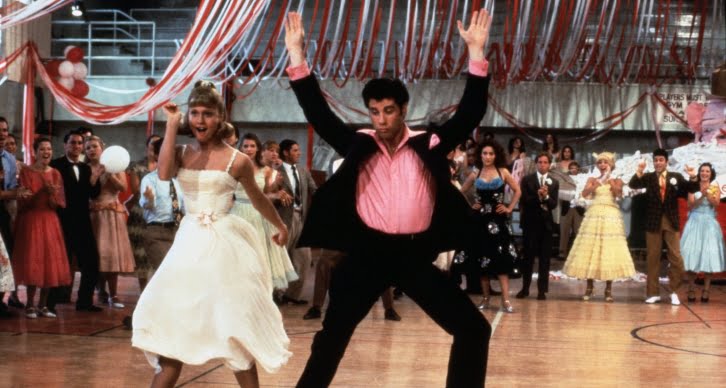
The countdown to midnight was accompanied by the pulsating beats of disco anthems, marking a departure from the more restrained tones of previous decades.
Thatcher’s Britain in the 1980s
The 1980s witnessed a dramatic shift in the UK’s political and economic landscape under Prime Minister Margaret Thatcher.
New Year’s Eve parties became more opulent, mirroring the ethos of excess that defined the decade. As the nation embraced prosperity, celebrations became more extravagant, with themed parties and the popularization of house parties.
Y2K and the Turn of the Millennium
The turn of the millennium brought a mix of anticipation and anxiety as the world approached the year 2000. Y2K fears aside, the UK ushered in the new millennium with grand fireworks displays, televised events, and a sense of global unity.
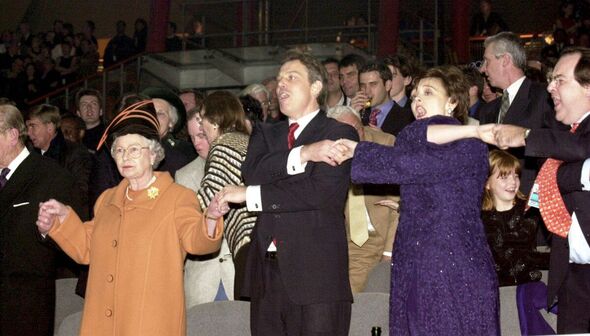
The celebration of the new century marked a significant moment in history, blending nostalgia with the excitement of the future.
Modern-Day Celebrations
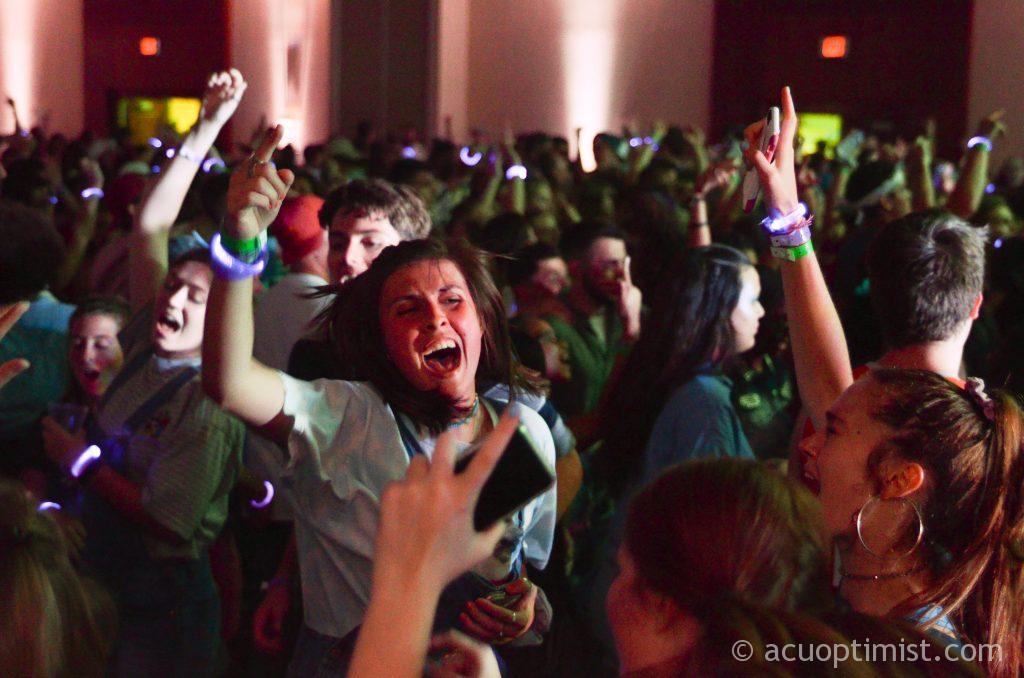
In the present day, New Year’s Eve in the UK is a diverse tapestry of traditions.
From traditional gatherings with family and friends to spectacular fireworks displays in major cities, the celebrations reflect a blend of nostalgia and contemporary trends. Social media has become a platform for sharing moments, creating a virtual community that transcends physical boundaries.
Conclusion:
As we bid adieu to one year and welcome another, the evolution of New Year traditions in the UK mirrors the changing dynamics of society, culture, and values. From the glamour of the 1920s to the disco fever of the 1970s and the tech-savvy celebrations of the present day, each decade has left its unique imprint on the way the UK welcomes the new year. Let us continue to cherish and celebrate the rich tapestry of traditions that connect us across time. Happy New Year!

Andy is the Editor of iNostalgia and is a regular contributor to our exploring history & nostalgia articles, with a love for community nostalgia.