
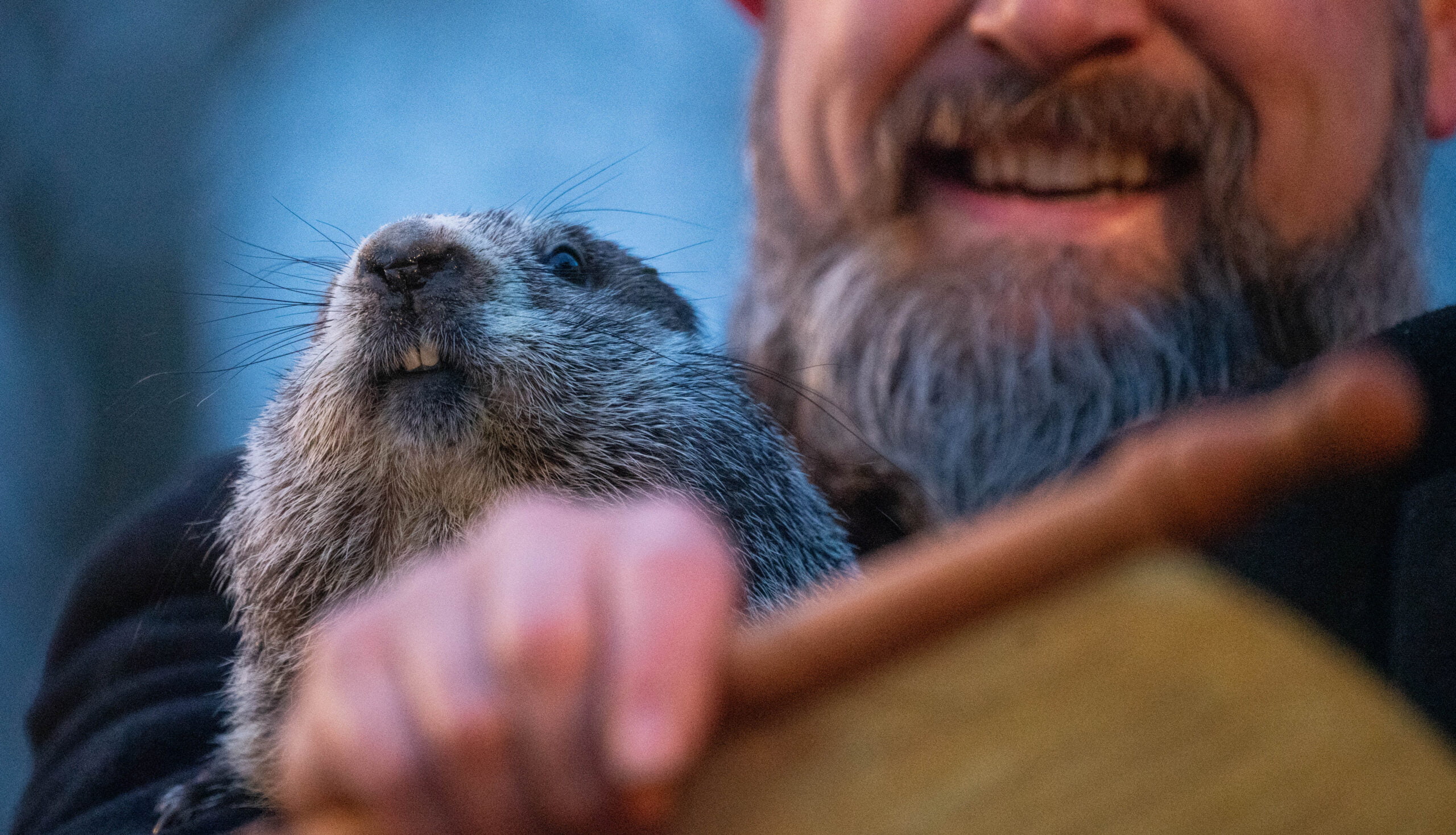
Groundhog Day, an annual celebration held on February 2nd, is deeply rooted in folklore and tradition. It centers around the idea that a groundhog’s behavior can predict the weather.
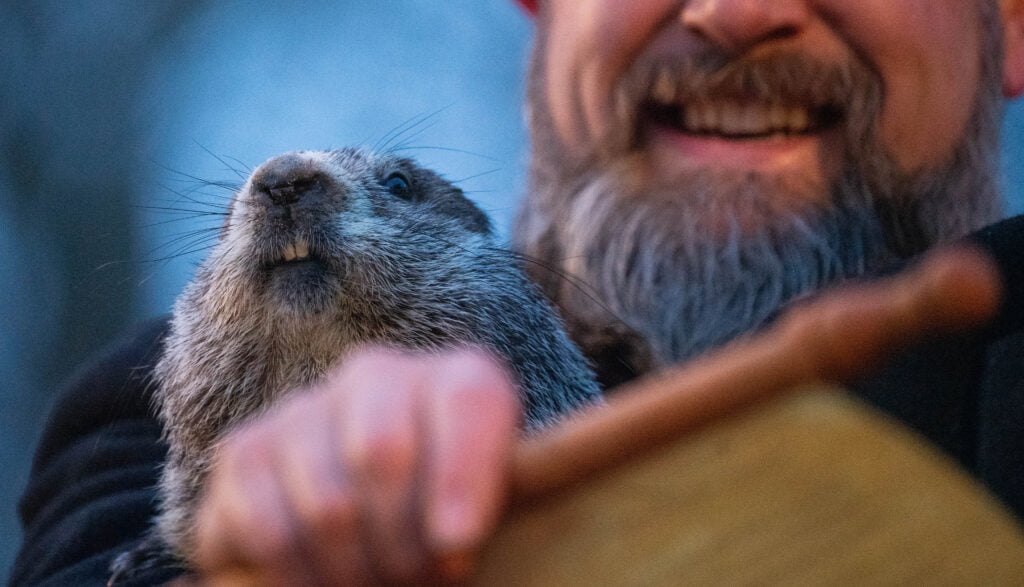
According to tradition, if a groundhog emerging from its burrow on this day sees its shadow due to clear weather, it will retreat back into its den, and the winter weather will persist for six more weeks. Conversely, if it does not see its shadow because of overcast weather, spring will arrive early
Historical Origins
The origins of Groundhog Day date back to ancient European weather lore, where a sacred bear or a badger was thought to predict weather. It was the German immigrants, known as the Pennsylvania Dutch, who brought the tradition to the United States. They originally celebrated Candlemas Day, a Christian holiday where clergy would bless and distribute candles needed for winter. The candles represented how long and cold the winter would be.

In Pennsylvania, the tradition adapted to incorporate native groundhogs. The first official Groundhog Day was celebrated in Punxsutawney, Pennsylvania, in 1887, where a group of businessmen and groundhog hunters, known as the Punxsutawney Groundhog Club, proclaimed Punxsutawney Phil as the weather-predicting groundhog.
Modern Celebrations
Today, Groundhog Day involves festive gatherings, food, speeches, and entertainment, with the main event being the groundhog’s emergence. Punxsutawney Phil, the most famous groundhog, emerges from his temporary home on Gobbler’s Knob, a rural area of Punxsutawney, and his prediction is announced to the world. Several other towns across North America have adopted similar practices with their local groundhogs.
Cultural Impact
The tradition of Groundhog Day has transcended its origins to become a part of popular culture. Its most notable impact is the 1993 movie “Groundhog Day,” directed by Harold Ramis.
The film stars Bill Murray as Phil Connors, a cynical TV weatherman who finds himself reliving the same day over and over again in Punxsutawney, Pennsylvania, during the annual Groundhog Day festivities. The movie has been widely acclaimed for its humorous and philosophical themes and has significantly increased the awareness and popularity of the Groundhog Day holiday.
Folklore, superstition, and community celebration.
Groundhog Day remains a charming blend of folklore, superstition, and community celebration. Whether seen as a quaint tradition or a tourist attraction, it brings together people from all walks of life to participate in an event that is both unique and culturally significant. The movie’s enduring popularity continues to add a layer of cultural significance to this quirky holiday.

Andy is the Editor of iNostalgia and is a regular contributor to our exploring history & nostalgia articles, with a love for community nostalgia.