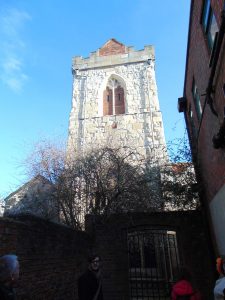

Angel Meadow, a name that evokes images of serenity and divine presence, sits incongruously within Manchester’s bustling city centre. This area, rich in history and steeped in contradiction, offers a window into the city’s industrial past and its journey through time. The story of Angel Meadow is a narrative of transformation, resilience, and, ultimately, regeneration. The areas pivotal role during the Industrial Revolution, the challenging living conditions of its inhabitants, and its evolution into a modern urban space.
The etymology of Angel Meadow is rooted in its proximity to St. Michael’s churchyard, believed to be a burial ground for the poor. The name suggests a pastoral idyll, a stark contrast to the reality of its later years. Initially, Angel Meadow was part of a larger area of common land on the outskirts of Manchester, used for grazing.

However, as Manchester burgeoned into an industrial powerhouse in the late 18th century, Angel Meadow’s fate as a pastoral haven was irrevocably altered.
The Industrial Revolution and Angel Meadow
With the advent of the Industrial Revolution, Manchester emerged as the world’s first industrial city, and Angel Meadow found itself at the heart of this transformation. The area quickly became an industrial hub, densely packed with cotton mills that were the lifeblood of Manchester’s economy.
Among these, Murray’s Mills were significant, founded in 1798, they were pioneering in the use of steam power for cotton spinning. Other mills, such as Bengal Mill, Oldham Mill, and Victoria Mill, contributed to the dense industrial fabric of Angel Meadow, each playing a role in Manchester’s dominance in the textile industry.

These mills were not just places of employment but were central to the area’s identity, shaping the daily lives of thousands. The mills of Angel Meadow were a microcosm of the wider Industrial Revolution, showcasing the technological advancements and economic opportunities of the time, but also the stark inequalities and harsh realities faced by the working class.

Life in Angel Meadow
The rapid industrialization of Manchester led to a surge in population, with workers flocking to the city in search of employment. Angel Meadow, with its proximity to the mills, became one of the most densely populated areas in the city. The living conditions in Angel Meadow during the 19th century were dire. The area was crammed with back-to-back houses, cellars, and lodging houses, designed to accommodate as many people as possible in the smallest of spaces. Overcrowding, poor sanitation, and a lack of clean water made Angel Meadow a breeding ground for disease and mortality.


Friedrich Engels, in his seminal work “The Condition of the Working Class in England,” described Angel Meadow as “hell upon earth,” highlighting the stark contrast between the area’s angelic name and the infernal living conditions. Engels’ observations brought international attention to the plight of the working class in industrial cities like Manchester, underlining the social and health implications of rapid urbanization without adequate housing and sanitation.
Despite these challenges, Angel Meadow was a vibrant community. Its residents, many of whom were Irish immigrants escaping the Great Famine, brought with them a strong sense of identity and resilience. The area was a melting pot of cultures and traditions, with people finding ways to support one another amidst the adversity. Public houses, churches, and social clubs served as communal spaces, fostering a sense of belonging and community spirit that countered the harshness of their environment.
The Decline and Clearance of Angel Meadow
By the late 19th and early 20th centuries, the problems of Angel Meadow and similar industrial slums caught the attention of reformers and city planners. The Public Health Acts and subsequent slum clearances aimed to address the squalid living conditions. The clearance of Angel Meadow in the 20th century marked a significant shift. The old housing stock was demolished, and many of the mills were closed or repurposed, leading to the physical transformation of the area. However, this also meant the dispersal of the close-knit community that had lived there for generations.
Angel Meadow Today
Today, Angel Meadow is experiencing a renaissance as part of the broader regeneration of Manchester’s city centre. The area is being developed with a mix of residential, commercial, and leisure spaces, aimed at revitalizing the once-neglected space while preserving its historical significance. The NOMA development is a prime example of this, offering a vision of a sustainable, community-focused future that nods to the area’s rich past.
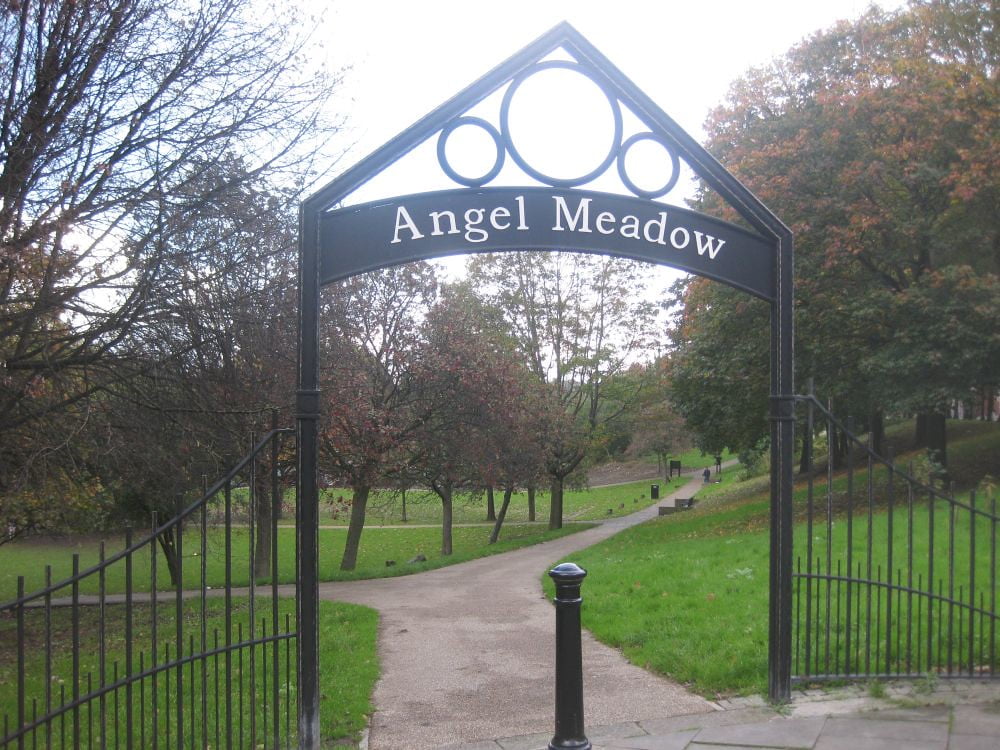
The transformation of Angel Meadow reflects Manchester’s wider journey from industrial giant to modern, dynamic city. Yet, the legacy of Angel Meadow’s industrial past and its community remains an integral part of Manchester’s identity. Memorials and preserved structures serve as reminders of the area’s history, ensuring that the stories of those who lived and worked in Angel Meadow are not forgotten.
As Angel Meadow continues to evolve, it stands as a testament to Manchester’s capacity for reinvention and resilience. It embodies the city’s industrial heritage, the social struggles of its past inhabitants, and the ongoing efforts to create a vibrant and inclusive urban future. In the story of Angel Meadow, we find not only a chapter of Manchester’s history but a narrative of human endeavor, adaptation, and hope that resonates far beyond its geographical confines.

In conclusion, Angel Meadow’s journey from pastoral common to industrial heartland, and its subsequent regeneration, mirrors the broader socio-economic transformations of Manchester and industrial cities worldwide. Its history offers valuable lessons on the impacts of industrialization, urbanization, and regeneration, reminding us of the importance of preserving the memory of those who have shaped our urban landscapes. As Angel Meadow looks to the future, its past continues to inform and inspire, a testament to the enduring spirit of Manchester and its people.

Andy is the Editor of iNostalgia and is a regular contributor to our exploring history & nostalgia articles, with a love for community nostalgia.