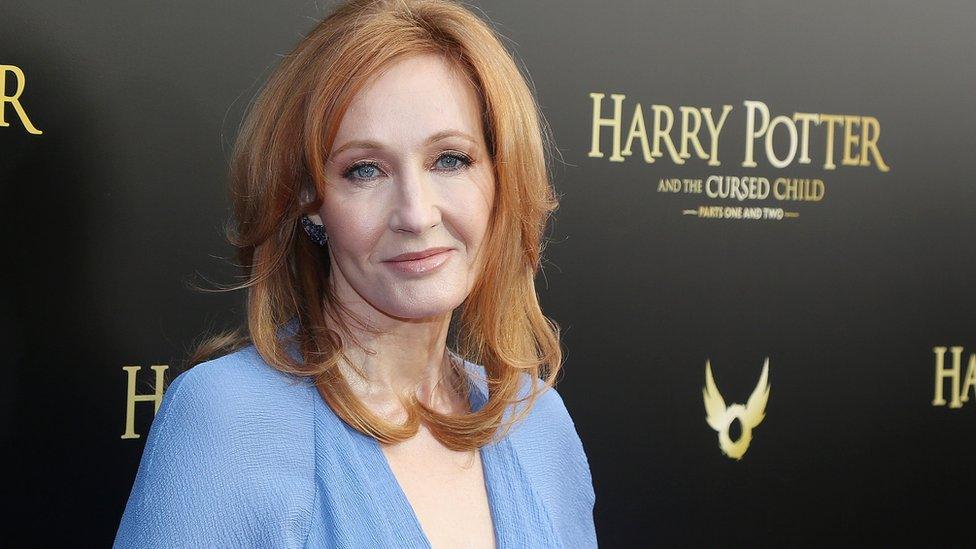
The enduring enchantment of J.K. Rowling’s Harry Potter saga resonates deeply within the collective memory of a generation of UK readers and viewers. As we recently observed Harry Potter Day on May 2nd, coinciding with the poignant anniversary of the Battle of Hogwarts, it prompts a moment to reflect upon the profound and nostalgic impact this literary and cinematic phenomenon has exerted upon our cultural landscape.

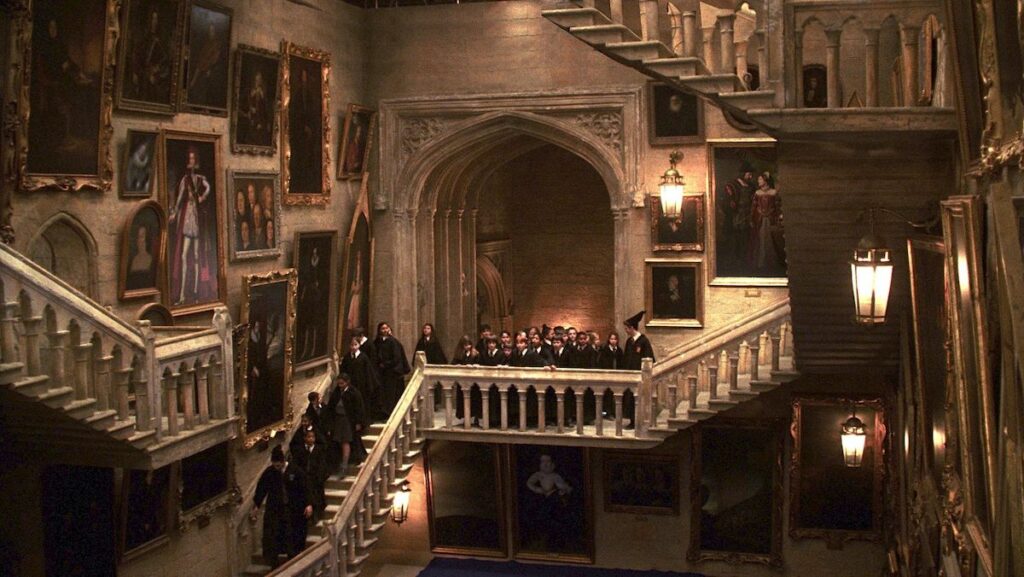
For a significant cohort in the United Kingdom, the initial encounter with Harry Potter and the Philosopher’s Stone marked an indelible moment. Rowling’s meticulously crafted universe, replete with fantastical creatures, the exhilarating sport of Quidditch, and the ever-shifting staircases of Hogwarts, offered a captivating departure from the mundane. The author’s imaginative prowess rendered the fantastical tangible, allowing readers to vividly envision the aroma of treacle tart and the resonant pronouncements of the Sorting Hat.
The subsequent transition of these narratives to the silver screen further solidified their place within popular culture. The casting choices became synonymous with our literary imaginings: Robbie Coltrane’s portrayal of the benevolent giant Hagrid, Dame Maggie Smith’s embodiment of the formidable Professor McGonagall, and the late Alan Rickman’s nuanced and compelling depiction of Severus Snape each contributed significantly to the films’ enduring appeal. These performances transformed beloved characters from the page into tangible figures within our collective consciousness.
Individual connections to specific characters invariably shaped personal experiences with the series. The bravery of Harry Potter, the steadfast loyalty and inherent humour of Ron Weasley, and the sharp intellect and unwavering determination of Hermione Granger resonated with diverse readers and viewers. Supporting figures, such as the mischievous Fred and George Weasley, and the uniquely perceptive Luna Lovegood, garnered their own dedicated followings, each contributing to the rich tapestry of the narrative.
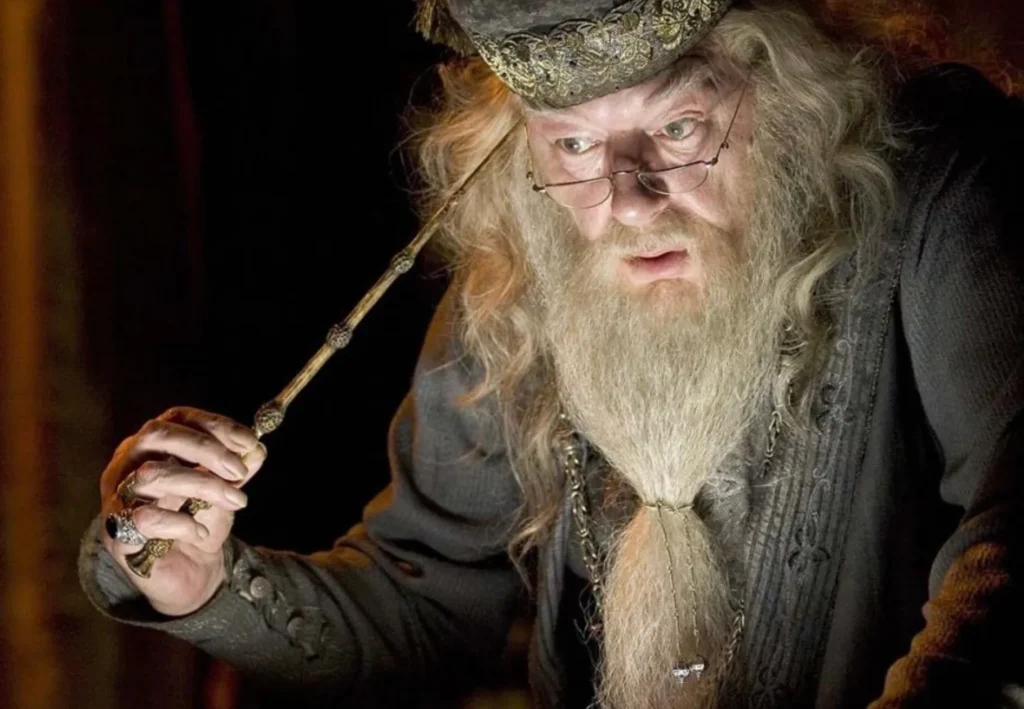
Key moments throughout the series have become deeply ingrained in our cultural memory. The exhilaration of Harry’s inaugural capture of the Golden Snitch, the poignant loss of Sirius Black, the sagacious counsel of Albus Dumbledore, and the climactic Battle of Hogwarts stand as pivotal points that evoked a spectrum of emotions. Neville Longbottom’s courageous stand against Voldemort, wielding the Sword of Gryffindor, remains a particularly resonant and galvanising scene.
However, the Harry Potter phenomenon transcended individual characters and plot points. It fostered a shared cultural experience. The communal anticipation surrounding midnight book releases, the fervent discussions and theorising amongst peers, and the collective excitement preceding each film premiere created a unifying bond. For many, the Harry Potter series served as a constant companion during their formative years, imparting enduring lessons about the significance of friendship, the necessity of courage, the inevitability of loss, and the imperative to champion justice. It ignited imaginations and fostered a sense of wonder, suggesting, if only fleetingly, the potential for magic within the everyday.
Even now, revisiting the books and films offers a comforting return to a familiar world. Viewing a film adaptation feels akin to reconnecting with cherished acquaintances, while rereading the novels evokes a powerful wave of nostalgia, recalling a time when the anticipation of a Hogwarts acceptance letter held genuine significance.
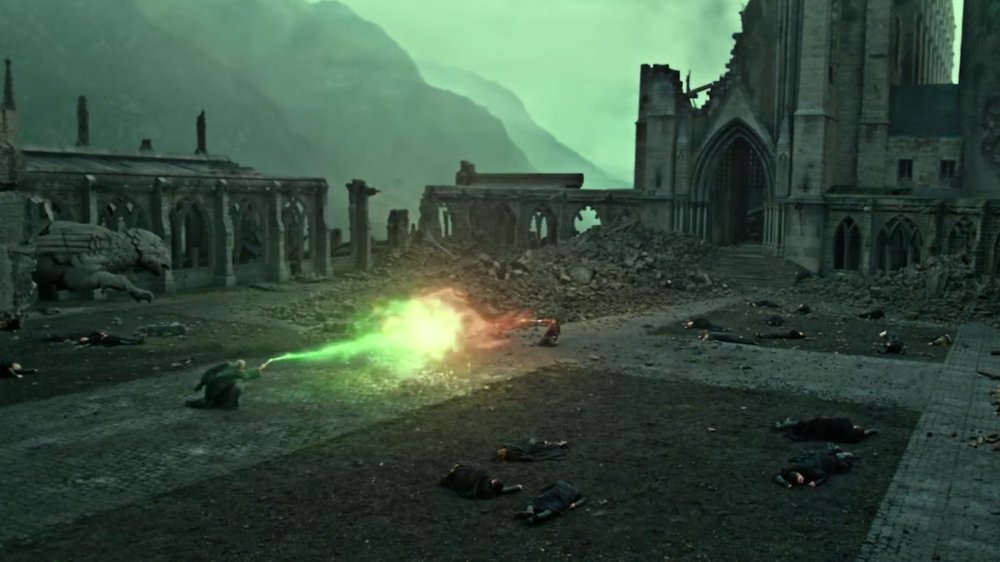
As we commemorate another anniversary of the Battle of Hogwarts and acknowledge Harry Potter Day (2nd May 2025), it is fitting to acknowledge the remarkable contribution of J.K. Rowling in crafting this extraordinary universe. Her creation continues to captivate and resonate with audiences, a testament to the enduring power of exceptional storytelling. The Harry Potter saga has become an integral thread within the fabric of our cultural heritage, a legacy for which many remain profoundly appreciative.

Andy is the Editor of iNostalgia and is a regular contributor to our exploring history & nostalgia articles, with a love for community nostalgia.