The election of a new Pope is a momentous occasion within the Catholic Church, a process known as a conclave. For those less familiar, it represents the solemn and highly secretive means by which the College of Cardinals selects the successor to St. Peter. While the iconic image of smoke billowing from a Vatican chimney is widely recognised, the intricacies and historical nuances of this procedure are often less understood.
The very term “conclave” holds significance, derived from the Latin “cum clave” translating to “with a key.” This alludes to the historical practice of physically locking in the cardinal electors. This sequestration was intended to minimise external influence and expedite the decision-making process. One can only imagine the intensity of such a prolonged deliberation amongst esteemed colleagues, a scenario that rather overshadows the typical office gathering.
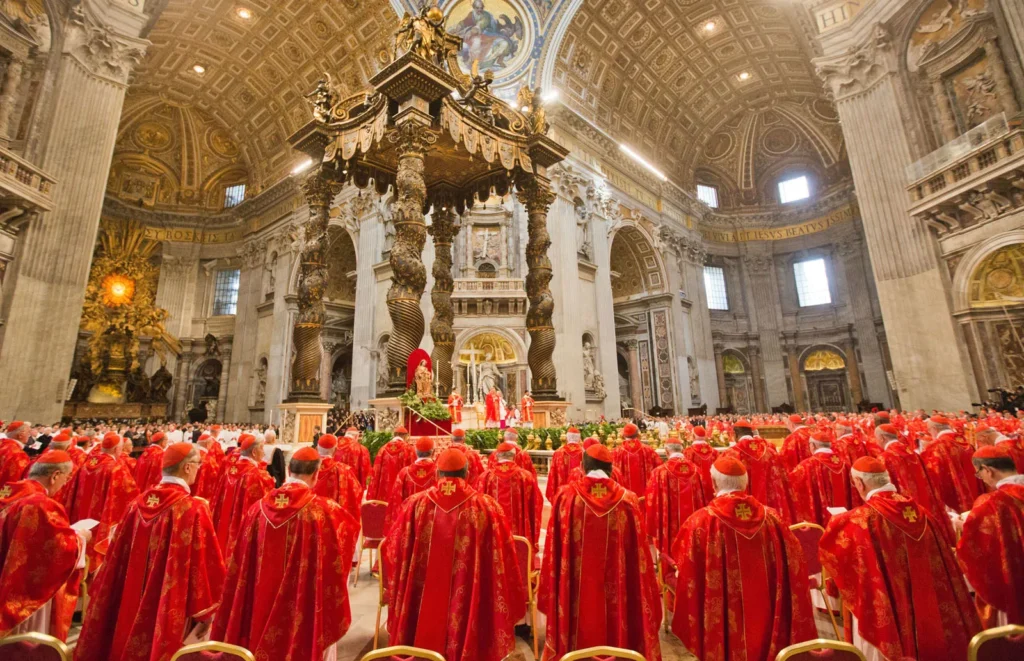
Following the passing or, more rarely, the resignation of a Pope, the Church enters a period known as sede vacante, or “the vacant seat.” During this interim, the College of Cardinals assumes responsibility for the Church’s administration, albeit with limitations, particularly concerning the election of a new Pontiff. This period can be likened to a football club operating under a caretaker manager, ensuring continuity without the authority for significant strategic changes.
The conclave itself unfolds within the resplendent Sistine Chapel, a setting renowned for Michelangelo’s artistic masterpiece. Prior to commencing the electoral proceedings, each cardinal elector, those under the age of eighty, undertakes a solemn oath. This pledge binds them to strict adherence to the conclave’s regulations and mandates absolute confidentiality regarding its deliberations. A breach of this oath carries the grave consequence of excommunication, a serious matter indeed for a Prince of the Church.
A less widely known aspect of conclaves throughout history pertains to the conditions in which the cardinal electors were housed. For a considerable period, their lodgings were often spartan, sometimes even rudimentary cells within the Vatican. This austere environment served as a further impetus to reach a swift conclusion. While contemporary conclaves see the cardinals accommodated in more comfortable quarters within Vatican City, the principle of their isolation from the external world remains paramount.
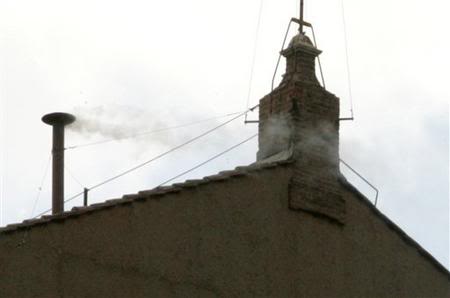
The voting procedure is characterised by its meticulous nature. Paper ballots are employed, and the election of a Pope necessitates a two-thirds majority. This requirement can lead to multiple rounds of voting, potentially extending over several days. Following each ballot, the papers are incinerated. The emergence of black smoke from the chimney above St. Peter’s Basilica signifies that no candidate has yet achieved the required majority. This distinctive black hue is typically produced through the addition of specific substances, such as pine resin or perchlorate, to the burning ballots. Conversely, the appearance of white smoke heralds the momentous announcement of “Habemus Papam!” (We have a Pope!). This white smoke is traditionally achieved by burning the ballots in conjunction with straw or a designated chemical compound.
An additional point of interest lies in the role of the Dean of the College of Cardinals. Should the individual elected Pope not already be a bishop (a rare occurrence in modern times but historically possible), the Dean assumes the significant responsibility of immediately ordaining him. This represents a rather swift elevation in ecclesiastical rank.
While the public spectacle culminates in the newly elected Pope’s appearance on the balcony of St. Peter’s Basilica, a more private moment precedes this. Upon accepting his election, the Pontiff chooses his papal name and is then escorted to the “Room of Tears.” This small chamber offers a space for quiet reflection before the new Pope faces the assembled crowds, the weight of his new responsibilities often evoking a profound emotional response.
In conclusion, the process of Papal Conclave is far more than a simple vote. It is a deeply historical and intricate tradition, imbued with fascinating details and human drama, all directed towards the selection of the spiritual leader for millions of Catholics globally. It stands as a remarkable testament to the enduring power of ritual and the significance of this ancient institution in the contemporary world.

Andy is the Editor of iNostalgia and is a regular contributor to our exploring history & nostalgia articles, with a love for community nostalgia.