
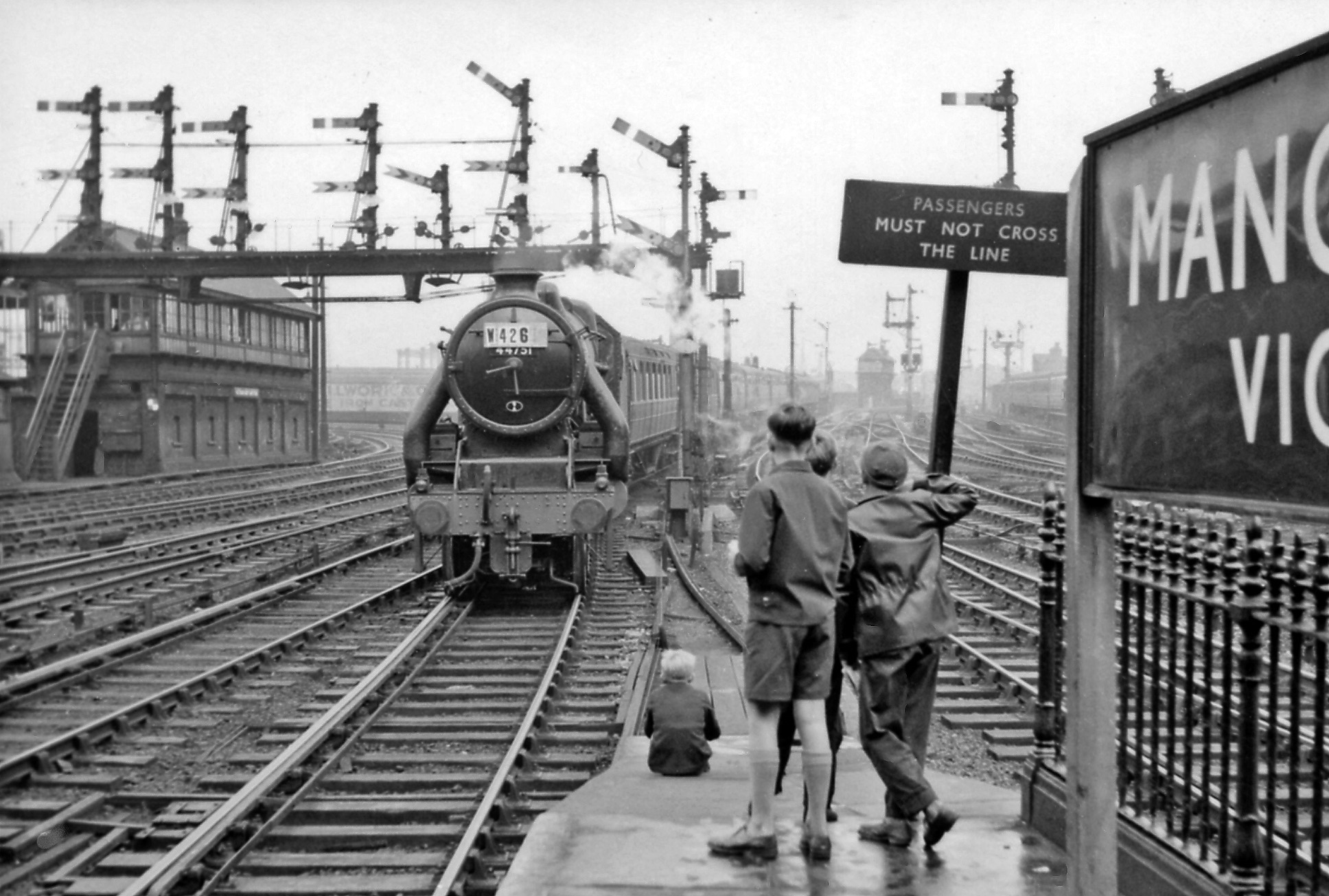
Opened in 1844, this magnificent structure, once granted special permission for its royal name by Queen Victoria herself, is more than just a transport interchange—it is a cornerstone of Mancunian and Northern history.
In recent years, following a spectacular modern-day refurbishment, Victoria has shed its reputation as a neglected giant. It now stands revitalised, its historical splendour proudly on show, reminding us of the pivotal role it has played across three centuries of transport evolution.
A Royal Start and Railway Empire
The story of Victoria begins with the ambition of the burgeoning Manchester and Leeds Railway (M&LR). Realising the need for a central, more convenient terminus than the original at Oldham Road, they acquired the land at Hunt’s Bank. When the station opened, it was a vital link, soon connecting to the Liverpool and Manchester Railway, creating a critical east-west corridor for freight and passengers.
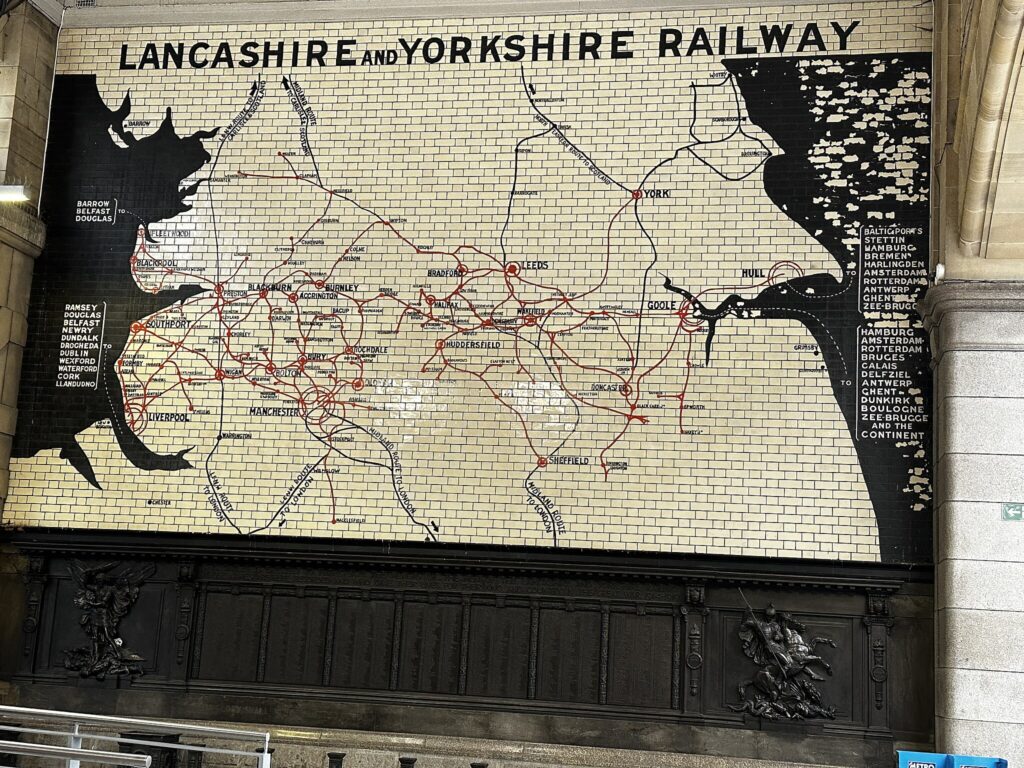
As Manchester grew into an industrial powerhouse, so did its station. The great expansion came in 1909, orchestrated by William Dawes for the powerful Lancashire and Yorkshire Railway (L&YR). This Edwardian overhaul gave us the Grade II listed façade we admire today—a beautiful neo-Baroque curve that shelters the entrance and the historic concourse.
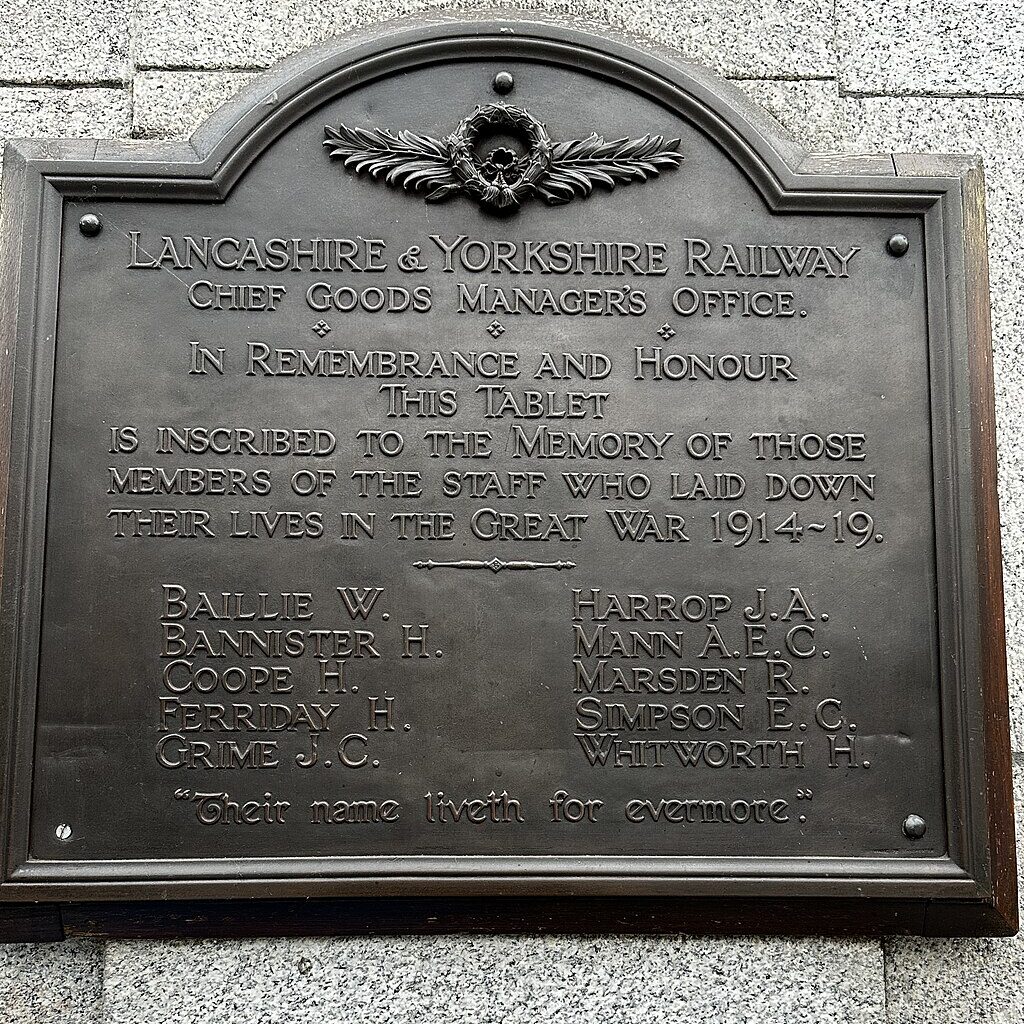
Step inside the main booking hall and you are immediately transported. Look up to the glorious, restored tiled mosaic map of the entire L&YR network. Installed in 1909, this stunning piece of craftsmanship charts the company’s vast domain, a beautiful, tangible link to the golden age of Northern rail travel. Underneath it sits the poignant bronze War Memorial of 1922, a solemn tribute to the railwaymen who lost their lives in the Great War.
The Longest Platform and a City Link
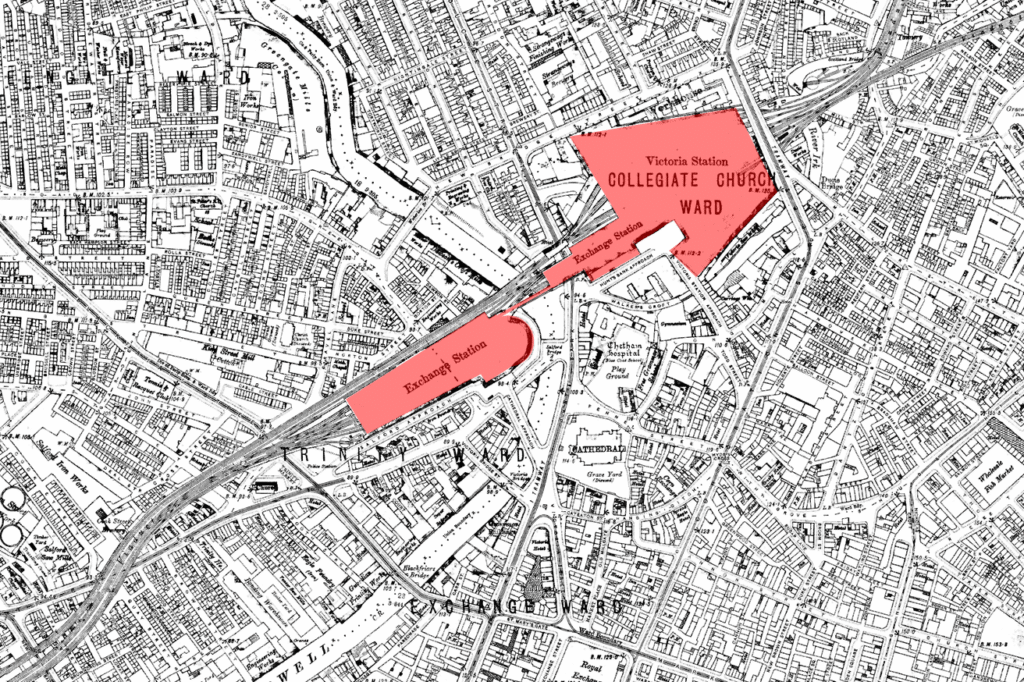
One of the station’s most fascinating, if lost, claims to fame was its connection to the neighbouring Manchester Exchange Station, built by the London and North Western Railway. From 1929, a single passenger platform, Platform 11, ran an astonishing 669 metres across the River Irk and into Exchange Station, earning it the title of the longest continuous passenger platform in Europe. This incredible engineering feat symbolised Manchester’s dominance as a railway hub, a point of pride that lasted until Exchange Station closed in 1969.
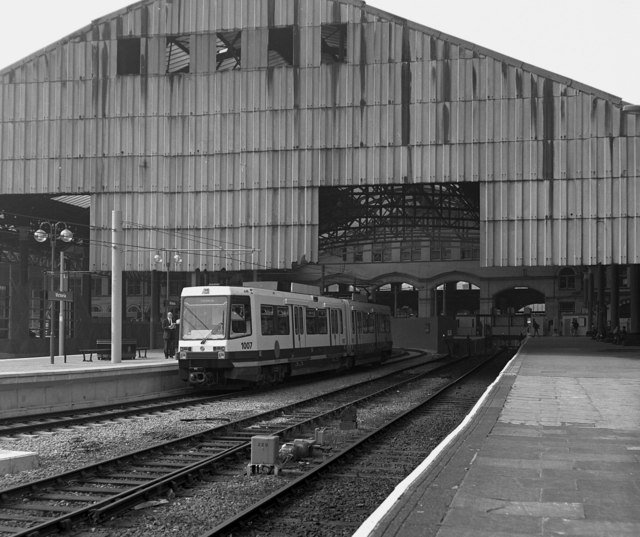
Victoria also had a unique place in local transport with its beloved Class 504 electric services to Bury, which operated from the station for decades before giving way to the Metrolink light rail system in the early 1990s. This marked a significant transition, adapting the grand old station to the needs of modern inter-city travel.
Rebirth and Resilience
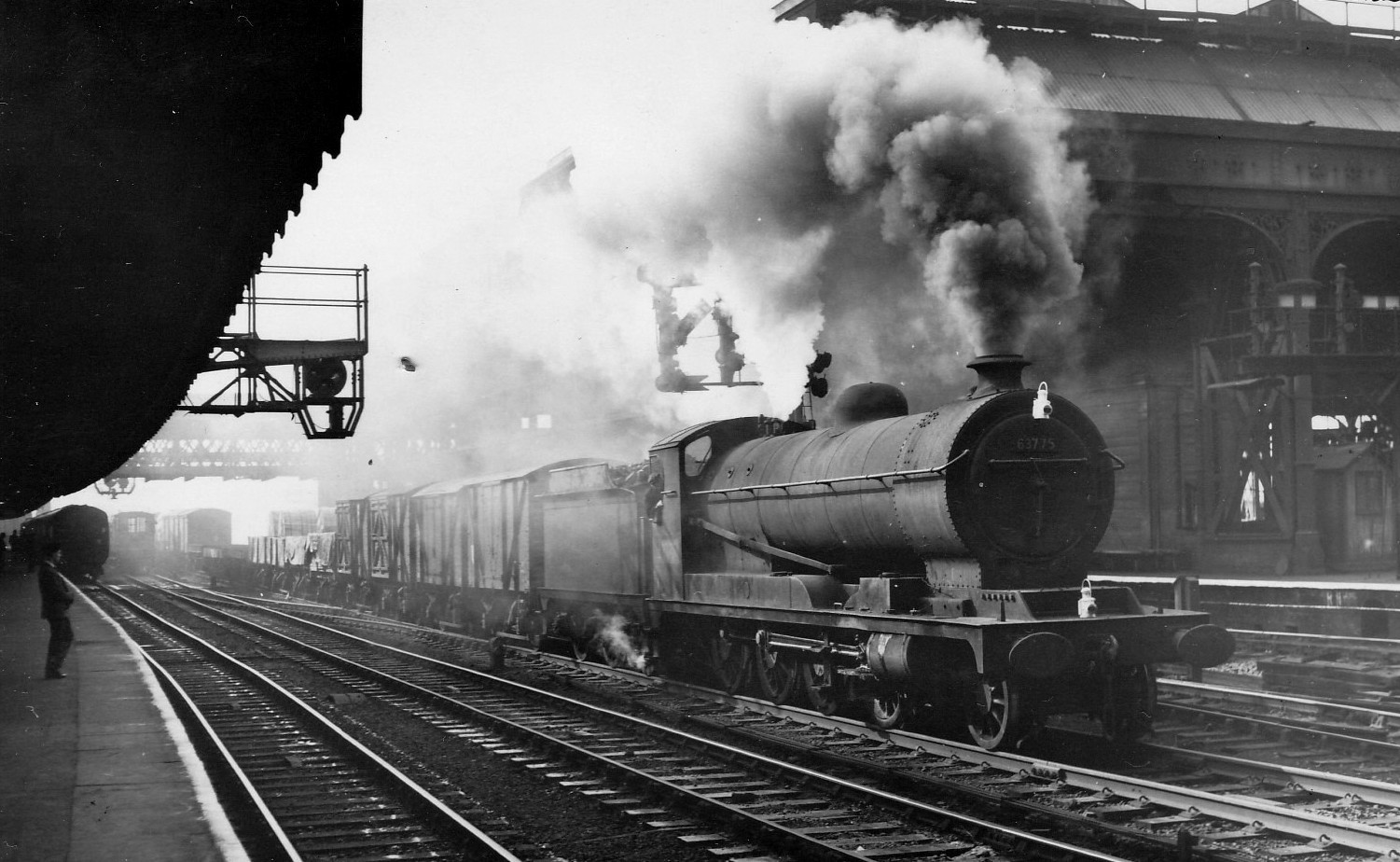
The station’s history is one of resilience. It survived the bombings of the Manchester Blitz in World War II, and later, the destructive IRA bomb of 1996. By the early 21st century, however, a lack of investment saw Victoria sadly fall into disrepair.
Yet, its story was far from over. As a key component of the ‘Northern Hub’ initiative, the station underwent a spectacular £44 million transformation, officially reopening in 2015. This refurbishment saw the replacement of the dreary old roof with a stunning, wave-like, translucent ‘bubble roof’. Critically, this design bathes the historic concourse in natural light, finally showcasing the Victorian and Edwardian architecture—the mosaic map, the First Class restaurant’s glazed dome, and the memorials—in all their intended glory.
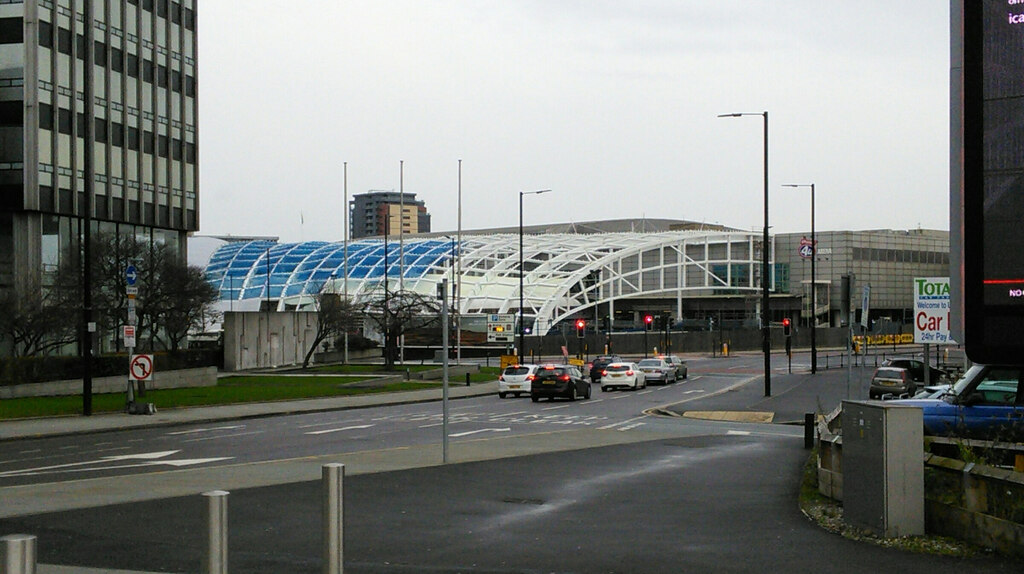
Today, Manchester Victoria is once again a station worthy of its city. It is a central hub for mainline rail services, a key junction for the Metrolink, and a stunning architectural monument. It perfectly embodies the spirit of industrial and historical nostalgia: a place where the past is not forgotten but is celebrated, integrated seamlessly with the vibrant needs of modern Northern life.
The next time you pass under its magnificent, destination-inscribed canopy, take a moment to look around. You are standing in a magnificent slice of the North West’s transport history.

Andy is the Editor of iNostalgia and is a regular contributor to our exploring history & nostalgia articles, with a love for community nostalgia.


_-_geograph.org.uk_-_7320119.jpg)