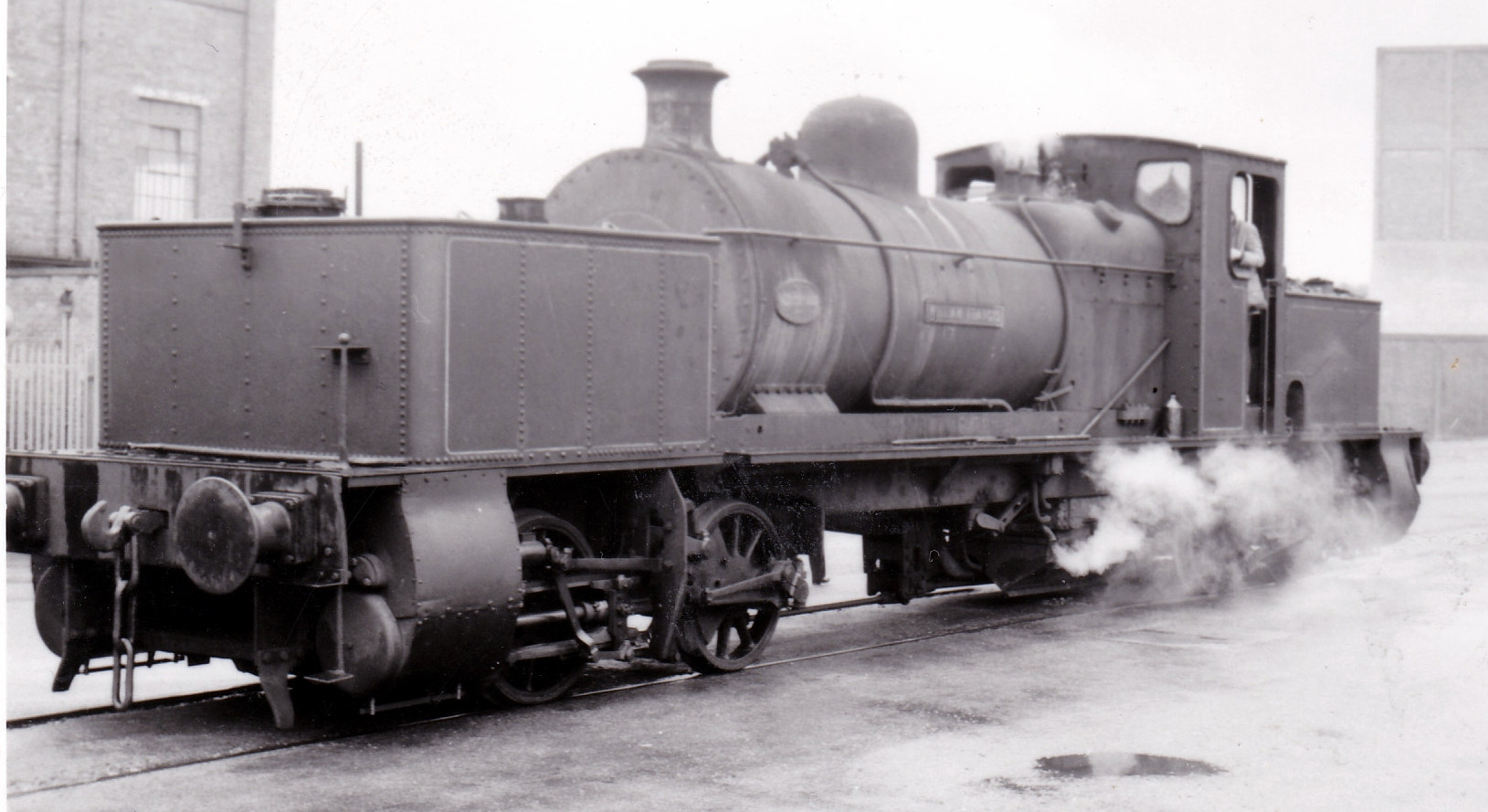
On Wednesday, 2 February 1916, driver George Lockwood and his fireman had brought the 1.40pm Leeds to Penistone in on time. Having arrived at 4.07pm, their Lancashire & Yorkshire Railway 2-4-2 tank engine was detached from its train and was diagrammed to shunt Penistone prior to heading back to Leeds at 4.40pm.
At around 4.20pm, George was running bunker first over Penistone Viaduct having brought goods wagons off the Great Central line for onward shipment via the Lancashire & Yorkshire line.
On crossing the second arch from the main road, George and his fireman suddenly felt their engine sinking and immediately jumped off.
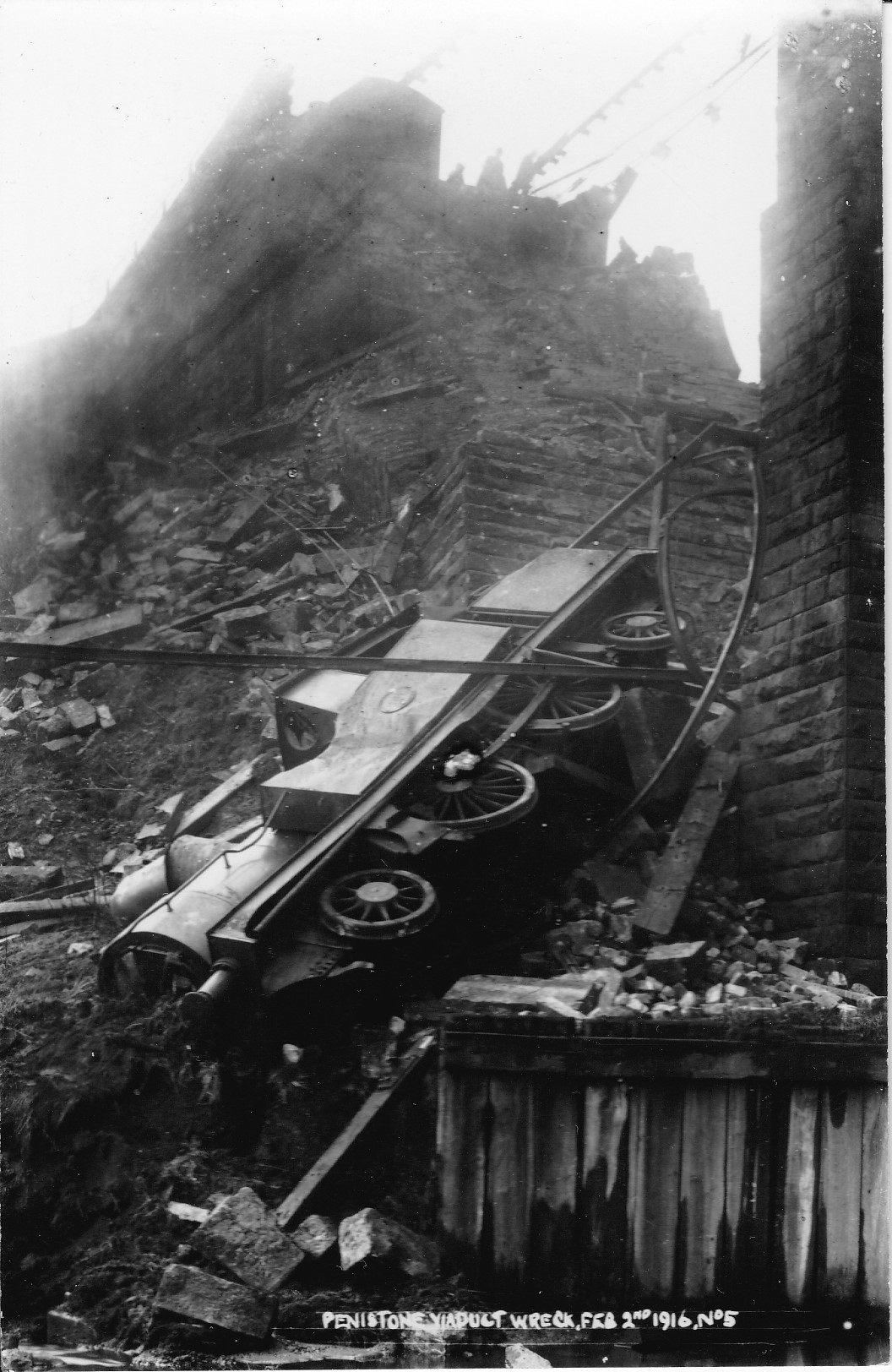
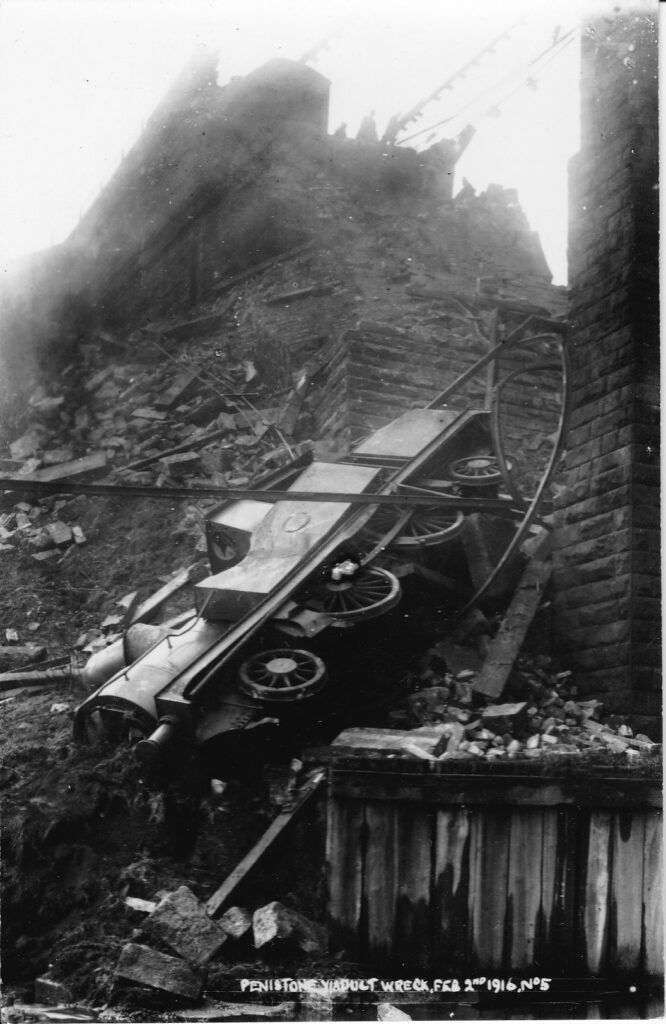
Seconds later the whole of the arch gave way, leaving the engine briefly suspended in midair before the rails underneath it also gave way. The engine then plummeted 85 ft (25.9 metres) to join the masonry in the River Don.
In a way it was fortunate the collapse occurred when it did as the 4.40pm Penistone to Leeds train was usually packed with passengers, many of them pupils from the Huddersfield side who attended Penistone Grammar School.
Though the collapse caught everyone by surprise, problems with the second arch’s masonry had already been flagged up and workmen were on site attempting to rectify it. Men were working below when George was driving his engine across the viaduct. The sudden fall of bits of masonry gave them sufficient warning and they were clear when the arch collapsed.
At the time of the incident the 330 yds (300 metres) long 29-arch viaduct was nearly 70 years old. It was planned by the Huddersfield & Sheffield Junction Railway to carry their Penistone to Huddersfield and Leeds line across the River Don Valley. However, by the time it opened in 1850 the H&SJR had been absorbed into the Lancashire & Yorkshire Railway.