The Blackpool Tramway is a British icon, one of the oldest electric tram systems in the world and a symbol of Blackpool’s rich history. Stretching along the Lancashire coastline, the network has been intrinsically tied to Blackpool’s evolution as a beloved seaside resort, offering both practical transport and nostalgic charm. From its Victorian roots to its role in the golden era of tourism, the Blackpool Tramway has become synonymous with heritage, innovation, and timeless joy.
The Birth of the Blackpool Tramway
The story begins in 1885 when Blackpool became the first town in the UK to have a permanent electric tramway. This was an era of industrial progress and electrification, and the seaside town was quick to embrace modernity. The original route, running along Blackpool’s iconic Promenade, used a conduit system for electricity rather than the more common overhead wires seen today.
At a time when Blackpool was blossoming as a destination for Victorian holidaymakers, the tramway was more than just a mode of transport. It was a marvel of innovation, providing easy access to the town’s growing attractions and bringing visitors up close to the golden sands, amusement piers, and fresh sea air. By the late 19th century, Blackpool had firmly established itself as a bustling, vibrant resort, and its pioneering tramway was a central part of its appeal.
The Promenade: A Historic Stage for the Trams
The Blackpool Promenade itself holds an equally historic significance. Stretching for miles along the Irish Sea, it has always been the heart of the town’s social and cultural life. As visitors strolled along the promenade in the Victorian era, admiring the sea views and breathing in the fresh coastal breeze, the sight of Blackpool’s early trams gliding up and down became an integral part of the experience.
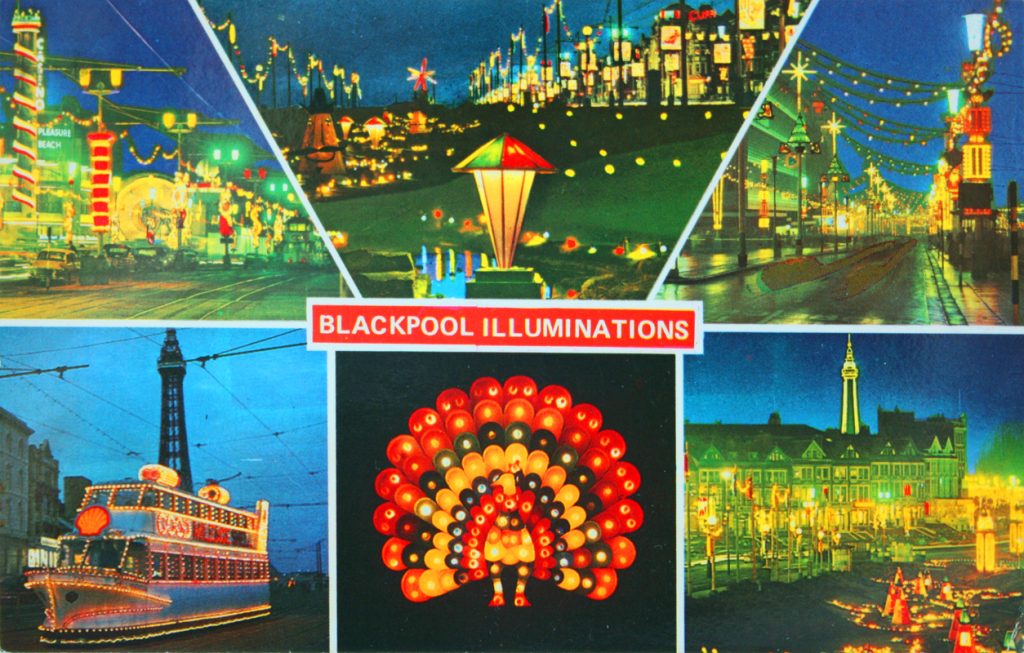
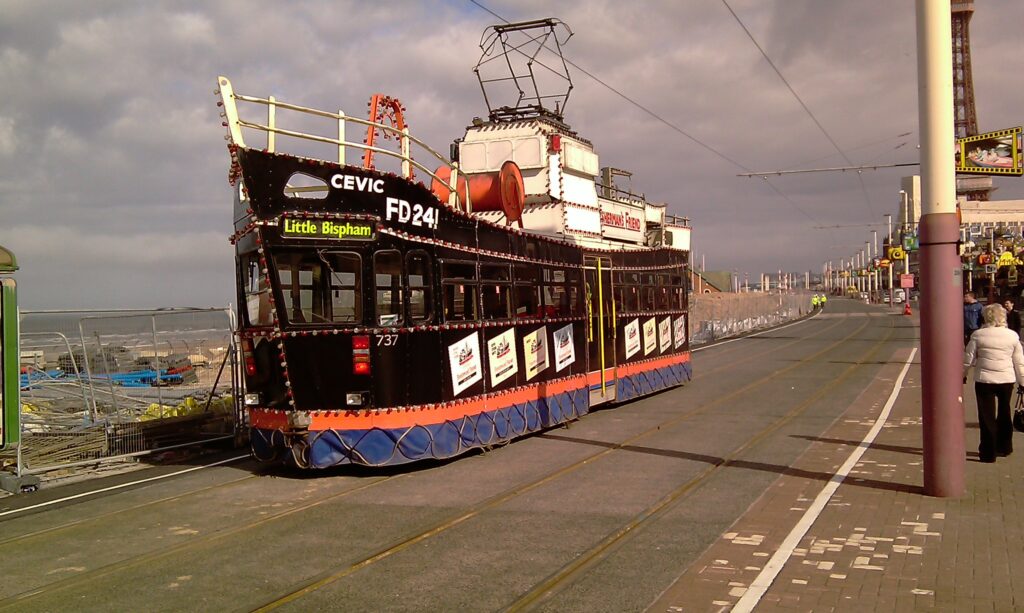
Blackpool’s promenade quickly became a stage for its growing list of attractions, including the now-famous Blackpool Illuminations, first switched on in 1879. The trams played a unique role in the Illuminations’ history, as specially decorated and illuminated trams would join the light show, turning the coastal route into a glowing wonderland during the autumn months. To this day, illuminated trams remain a highlight of the annual event, drawing visitors from around the globe to experience the dazzling display.
The Golden Era and the Role of the Trams
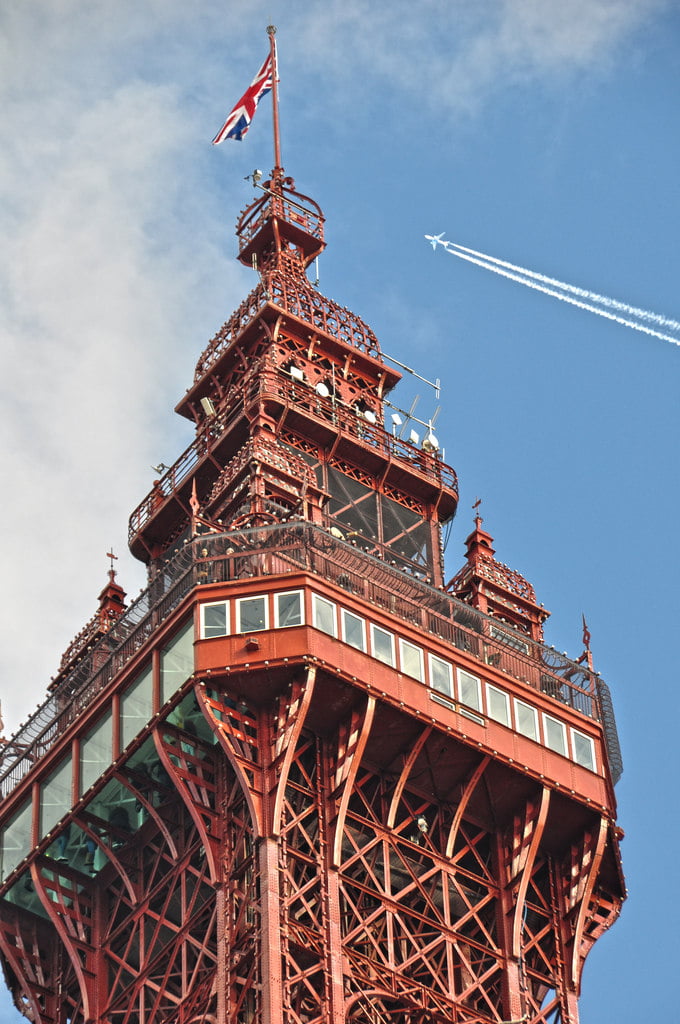
The early 20th century marked the golden age of British seaside tourism, and Blackpool was at its peak. As the Pleasure Beach, Blackpool Tower, and piers flourished, the tramway was integral to ferrying visitors from the north to the south end of town. It connected landmarks like Blackpool Tower, which opened in 1894 as a marvel of Victorian engineering, and the Pleasure Beach, a funfair that grew into one of the world’s most popular amusement parks.
During this era, Blackpool’s trams were more than just public transport; they were part of the holidaymaker’s experience. The sight of open-top trams packed with tourists enjoying the sunshine became iconic. Trams offered a unique way to enjoy the sights of the promenade and were accessible to the working-class families who flocked to Blackpool for their hard-earned holidays.
The Heritage Trams: Preserving the Past
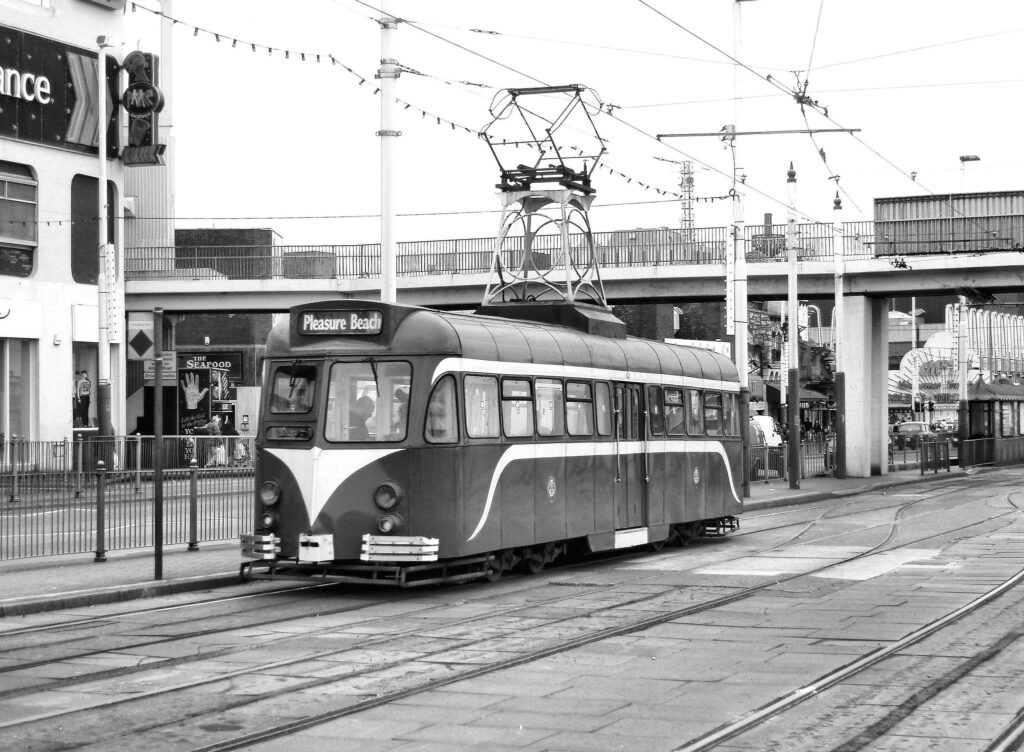
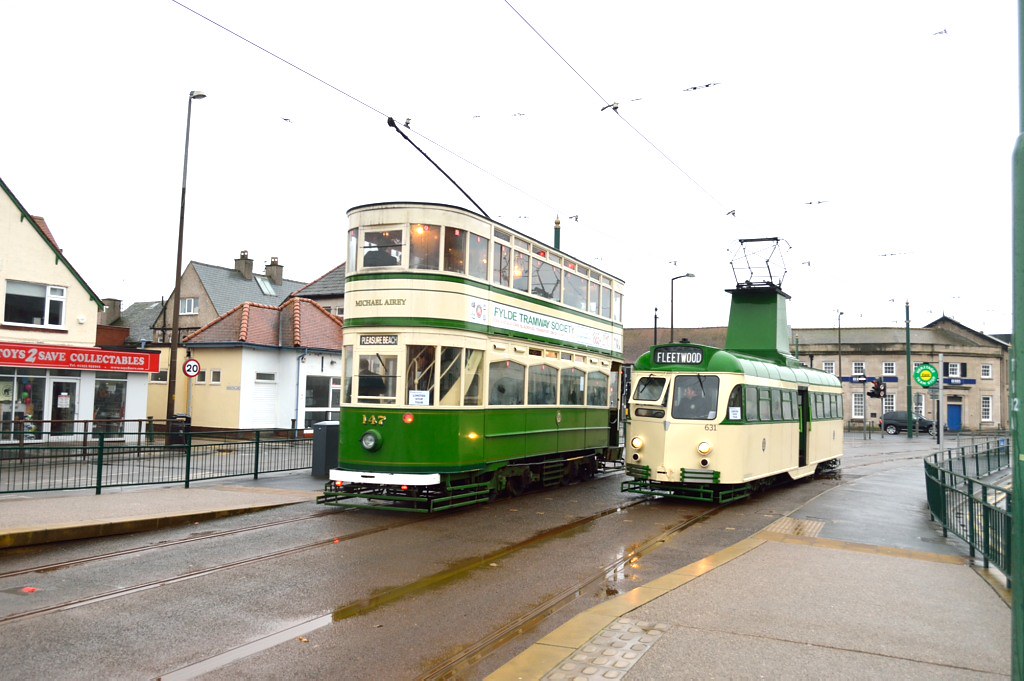
By the mid-20th century, technological advancements and the rise of cars and buses led many British towns to abandon their tramways. Yet Blackpool’s system endured, remaining an essential part of the town’s identity. While the modernized system continues to run sleek, efficient trams, Blackpool has always kept a place for its heritage trams, a tribute to its rich past.
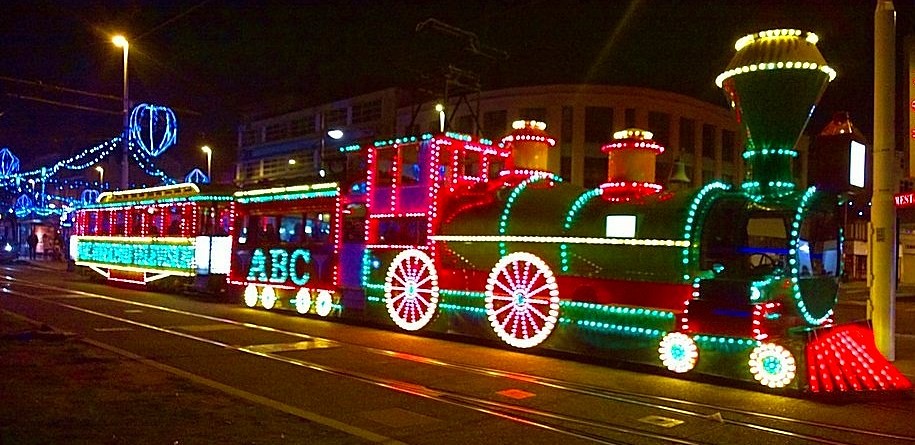
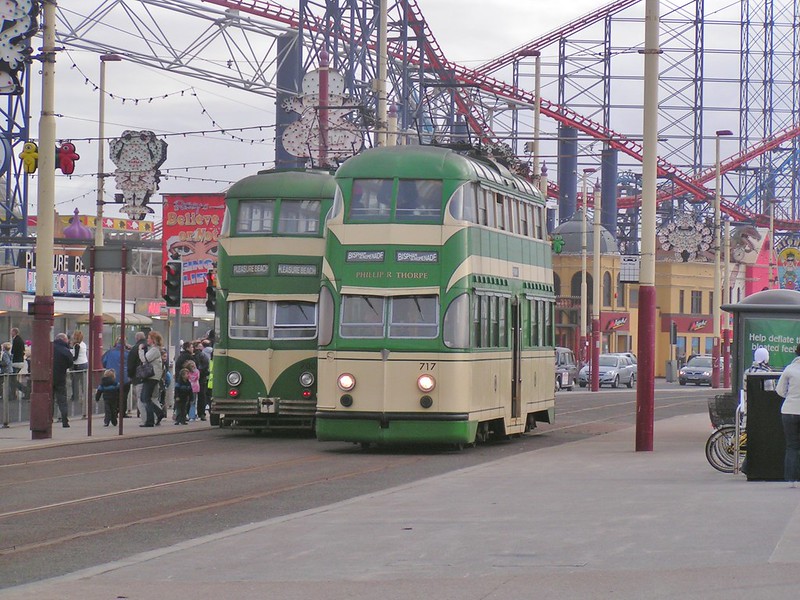
These vintage trams, lovingly restored and maintained, harken back to the golden days of seaside tourism. Models such as the open-top Balloon Trams and the charming Boat Trams provide visitors with a nostalgic ride through history. On select occasions, heritage services allow passengers to step back in time, experiencing the joy of tram travel as it would have been in the 1930s or 1950s.
The decision to preserve and operate these trams reflects Blackpool’s deep respect for its own heritage and its status as a destination that treasures tradition. Visitors today can enjoy both the modern convenience of sleek trams and the charm of a bygone era when life moved at a slower pace.
Blackpool Today: A Fusion of Modernity and Nostalgia
Today, Blackpool remains a town that celebrates its history while continuing to evolve. The tramway, which underwent a major modernization in 2012, serves as a lifeline for both locals and tourists. Yet its heritage fleet ensures that Blackpool’s history remains alive, delighting generations old and new.
The annual Illuminations, the thriving Pleasure Beach, and the town’s Victorian architecture continue to draw millions of visitors, with the trams acting as both a functional and cultural symbol. For many, no trip to Blackpool is complete without a ride on a vintage tram along the seafront, soaking in the sights of the tower, the piers, and the sparkling illuminations.
A Legacy on Rails
The Blackpool Tramway is more than just a transport system; it is a living museum and a testament to the town’s enduring charm. Its history mirrors the rise of Blackpool as Britain’s most iconic seaside resort, from its Victorian heyday to the golden era of tourism and into the modern age. Through the preservation of its heritage trams, Blackpool ensures that the magic of its past will continue to shine alongside the bright lights of its future.
For anyone visiting this timeless resort, a ride on a Blackpool tram is not just a journey from A to B but a trip through history, culture, and joy—all set against the stunning backdrop of the Irish Sea.
–
Featured Image: Blackpool Tram, Phil Jenkins

Andy is the Editor of iNostalgia and is a regular contributor to our exploring history & nostalgia articles, with a love for community nostalgia.