For generations, the British high street was the beating heart of every town and city. A vibrant tapestry of familiar names and independent gems, it was where we met friends, browsed for treasures, and completed our weekly “big shop.” Today, however, that landscape has undeniably changed, leaving many with a pang of nostalgia for a bygone era.
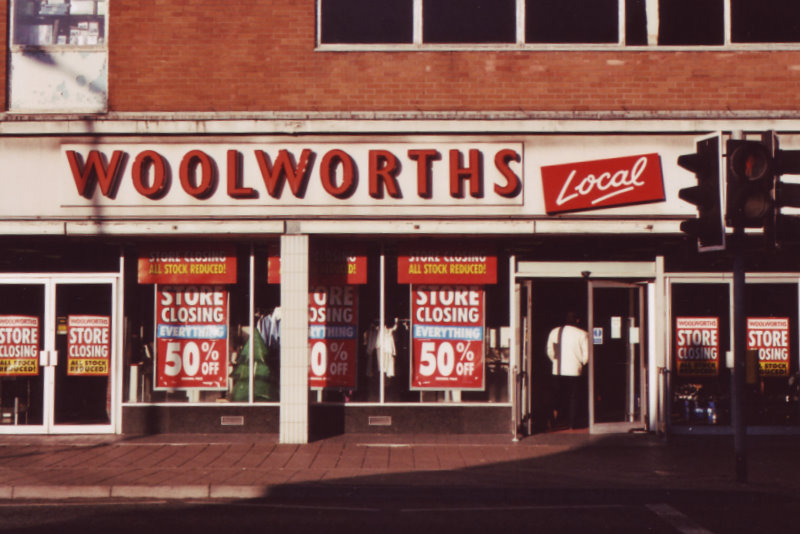
Mention the name Woolworths to almost any Brit, and a flood of memories will likely come rushing back. “Woollies,” with its distinctive red logo, was a national institution. From the famous pick ‘n’ mix sweets that were a childhood rite of passage to its surprisingly diverse range of toys, homeware, and music, Woolworths was a go-to for almost everything. Its demise in 2009, with all 807 stores closing their doors, felt like a national bereavement, a stark symbol of the high street’s evolving struggles.
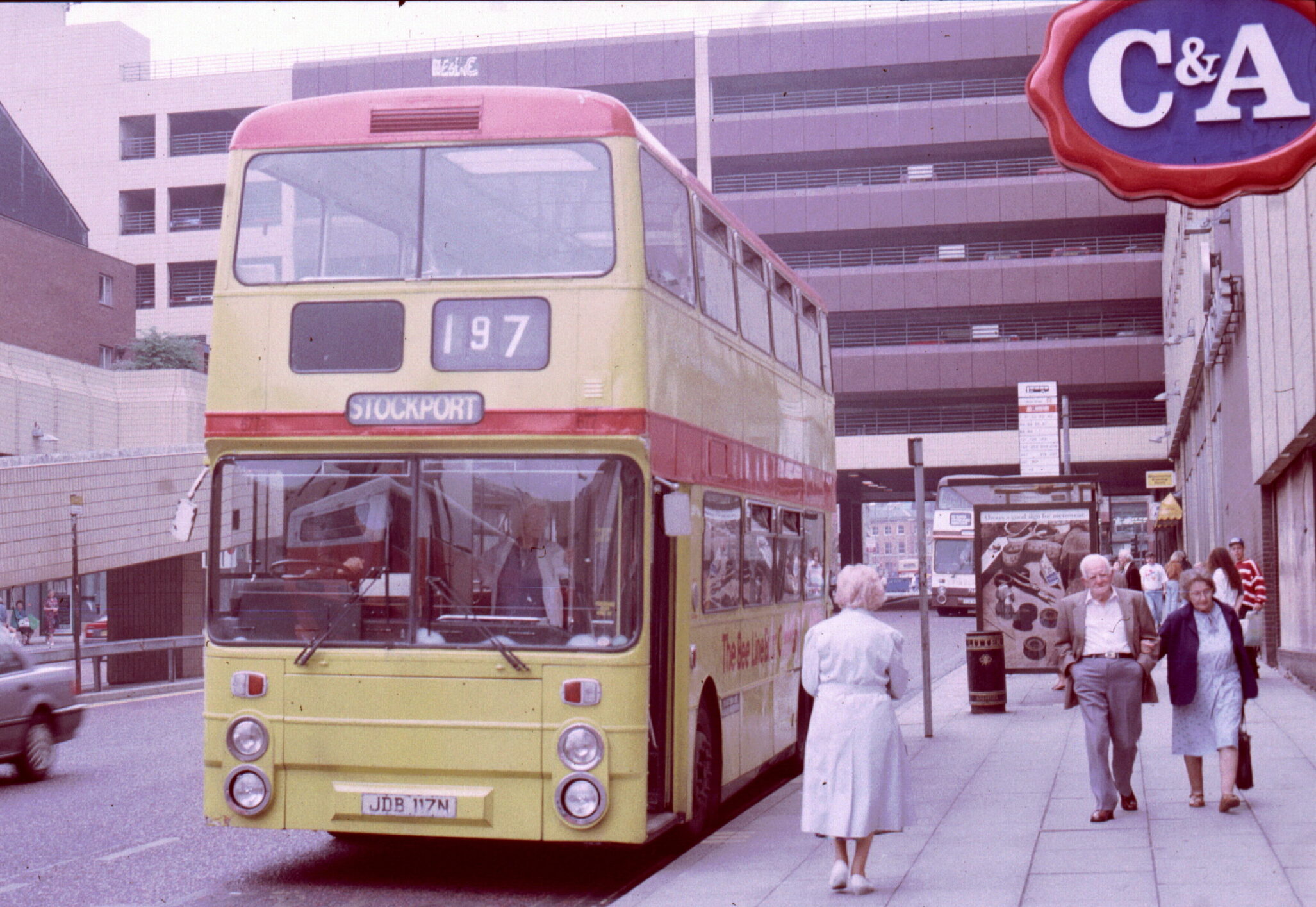
Another once-ubiquitous name was C&A. The Dutch fashion retailer, known for its affordable yet stylish clothing, was a fixture in many major shopping centres. Who could forget the sprawling C&A in Manchester Arndale, a destination for many looking for new threads? C&A’s departure from the UK in 2001, closing all 109 stores, marked a significant shift in the fashion retail landscape, struggling to compete with the rise of faster fashion and evolving consumer tastes.
Beyond the big chains, the high street was defined by its independent spirit. The local butcher, with sawdust on the floor and a friendly greeting, was an essential part of the community. You knew your butcher by name, and they knew exactly how you liked your sausages. Similarly, the greengrocer, the baker, the ironmonger – each offered a personal touch and expertise that’s harder to find in today’s more homogenous retail environment.
So, what happened to these beloved institutions and the bustling high streets they inhabited?
The Rise of the Out-of-Town Retail Park and Online Shopping
The convenience of out-of-town retail parks, with ample free parking and a concentration of large stores, began to lure shoppers away from town centres.
But the biggest disruptor, by far, has been the relentless growth of online shopping. E-commerce giants like Amazon, coupled with the ease of next-day delivery and competitive pricing, have fundamentally reshaped consumer behaviour. Why battle for parking and queues when you can have goods delivered directly to your door?
Changing Habits and Economic Pressures
Our shopping habits have shifted dramatically. Younger generations, particularly Gen Z and Millennials, are “online-first” consumers, seamlessly transitioning between digital and physical shopping. While they still value physical retail experiences, their expectations are higher – they seek entertainment, education, and inspiring environments. Economic pressures, including squeezed incomes and rising business rates, have also put immense strain on retailers, making it increasingly difficult for them to survive.
The Fading Echoes of Market Life
Beyond the shops, traditional markets, once vibrant hubs of trade and social interaction, have also faced challenges.
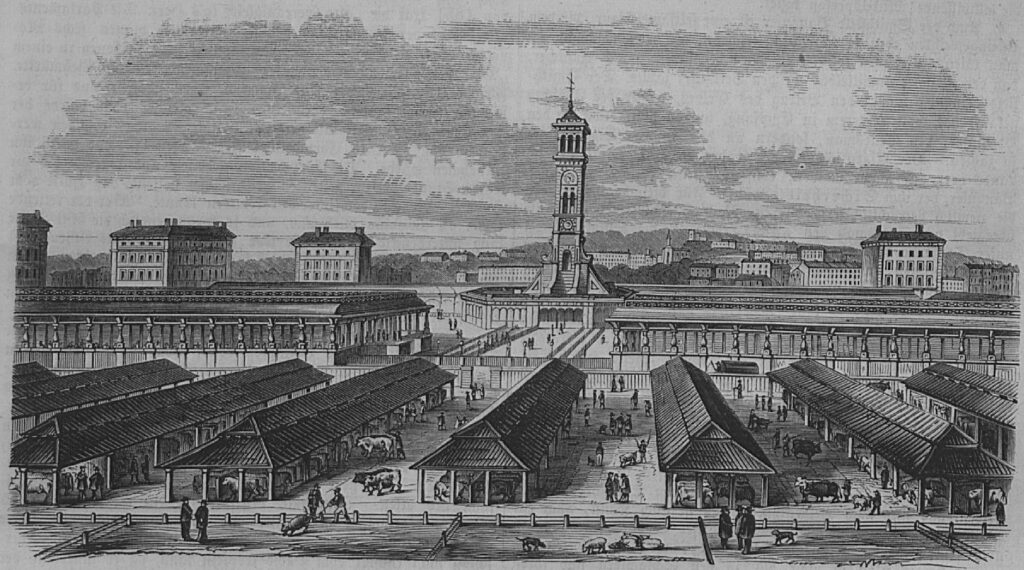
While some, like London’s Portobello Road or Borough Market, have adapted and thrived as tourist attractions and foodie destinations, many smaller, local markets that once provided daily essentials have dwindled or disappeared. The bustling energy of places like the lost Caledonian Market in London, where you could buy anything from a coffin to a cow, are now just footnotes in history, replaced by modern developments.
The High Street’s Evolution
It’s not all doom and gloom, however. The high street is not dead; it’s evolving. Many towns are seeing a shift towards a more service-oriented and experiential offering. Coffee shops, beauty salons, restaurants, and leisure facilities are increasingly filling the gaps left by traditional retailers. There’s a growing emphasis on creating a “destination” experience, where shopping is just one part of a wider day out. Councils and businesses are investing in regeneration projects, aiming to breathe new life into these vital community spaces.
The memories of Woolworths’ pick ‘n’ mix, the familiar scent of C&A’s changing rooms, and the friendly banter with the local butcher remain etched in the collective British consciousness. While the high street may never return to its former glory, its transformation is a testament to the ever-changing nature of how we shop and live.
Featured Image – Walt, Flickr

Andy is the Editor of iNostalgia and is a regular contributor to our exploring history & nostalgia articles, with a love for community nostalgia.