There’s something special about a sunny April afternoon, and our recent trip to the Keighley and Worth Valley Railway was the perfect way to soak it up. The air was fresh with the promise of spring, and we were all set for a nostalgic journey on a real piece of history. The Worth Valley Railway, tucked away in the lovely West Yorkshire countryside, isn’t just any old train line; it’s a step back in time, a community treasure, and forever linked to the classic film ‘The Railway Children’. Our plan for the day was a good one: starting in the charming village of Howarth, we’d steam our way to Oxenhope and then head back up the line to Keighley before returning to Howarth.
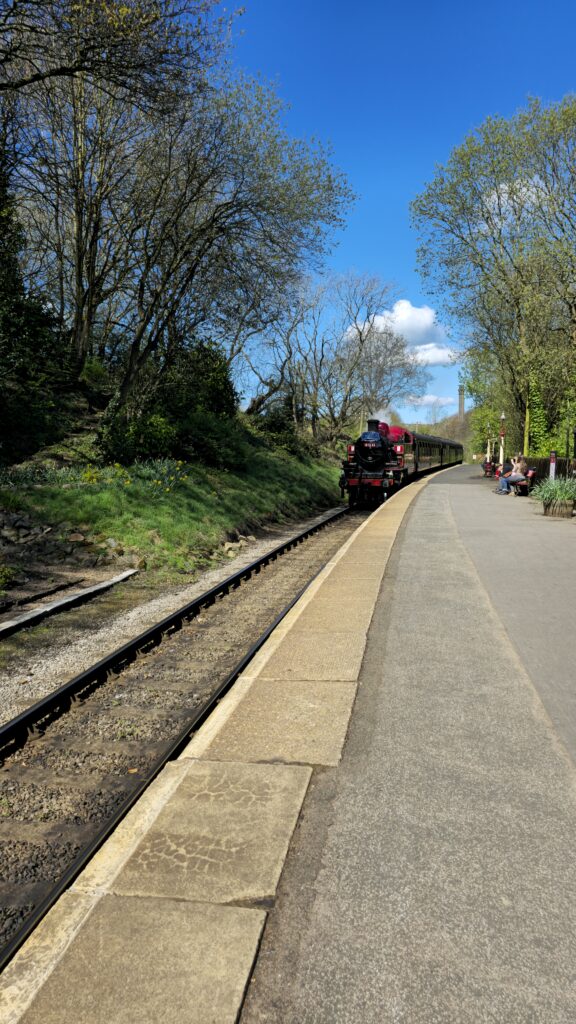
The story of the Keighley & Worth Valley Railway is a fascinating one, a mix of industrial necessity and a lot of love from the community. The line first opened way back in 1867, mostly thanks to the local mill owners who had plenty of money. For them, the railway was crucial for their booming textile businesses in the Worth Valley. It was the main way to get coal and raw materials to the mills and to send out all the finished fabrics. By connecting the small villages along the Worth Valley to the bigger rail network at Keighley, it became a really important part of life and work in the area. This shows just how important railways were in helping industries like textiles grow during the Victorian era by providing efficient transport.
But as time went on, things changed. Mills started using electricity, buses became more convenient for workers, and central heating meant people didn’t need as much coal. The railway started to struggle. Eventually, British Railways decided to close the Worth Valley line, with the last passenger train running in December 1961 and the last goods train in June 1962. It was a sign of the times, as many railways across Britain were becoming less viable.
However, the locals weren’t ready to let it go. They knew how important the railway was, so in 1962, a group of dedicated enthusiasts formed the Keighley & Worth Valley Railway Preservation Society. Their big aim was to get passenger trains running again in the Worth Valley. For six long years, volunteers worked incredibly hard to restore the neglected line. They managed to acquire diesel trains for regular services, a diesel engine for goods, and a wonderful collection of steam engines and vintage carriages for tourists. In a pretty unique move, the sale of the Worth Valley branch was the very first time a part of British Railways was privatized. Showing their commitment, the KWVR paid for the line in installments over 25 years. This pioneering effort by the local community not only saved a piece of railway history but also inspired railway preservation all over the country.
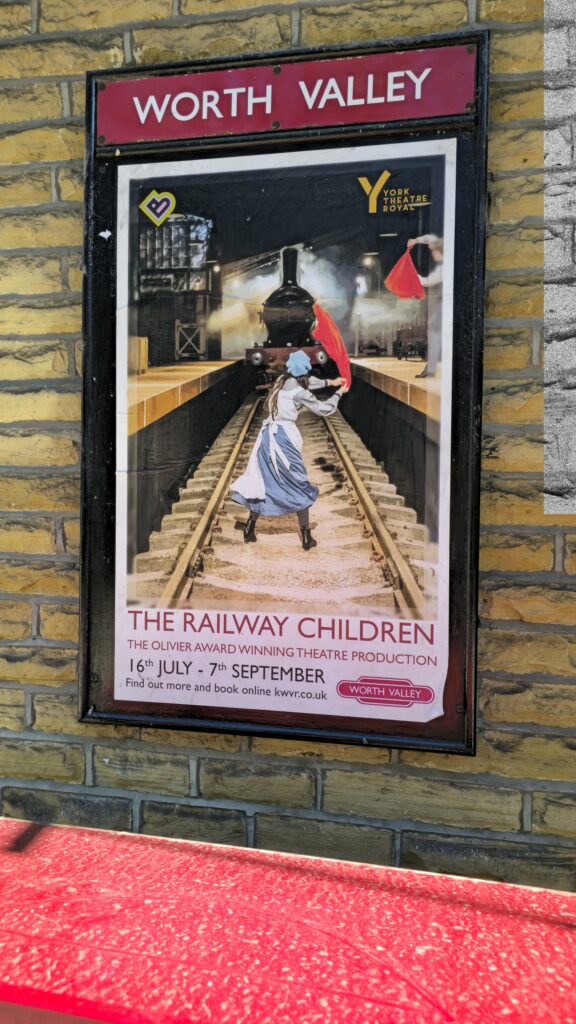
Beyond its history, the Worth Valley Railway is famous for being the main filming location for the much-loved 1970 movie of ‘The Railway Children‘. The charming stations and beautiful scenery were the perfect setting for the story of the Waterbury children. Oakworth Station, in particular, became instantly recognizable to moviegoers worldwide, serving as the main location for the station scenes and still featuring its original manually operated gate (clip below). While not directly on the railway, the Brontë Parsonage Museum in Haworth was used as the Doctor’s house in the film, further linking the area to literature and cinema. ‘Three Chimneys’, the family home in the movie, is actually a farm called Bents Farm, near Oxenhope, and it still looks familiar to visitors. The railway’s nostalgic feel has also attracted other film and TV productions over the years, including ‘Testament of Youth’, ‘Swallows & Amazons’, and the popular series ‘Peaky Blinders’. More recently, the magic returned with the filming of a sequel, ‘The Railway Children Return’, in 2022. The enduring popularity of ‘The Railway Children’ has definitely helped keep the railway popular, with many visitors wanting to see the locations they’ve seen on screen. For those really keen on the film, there’s even a 6-mile Railway Children Walk that takes in many of these key filming spots along the line.
Our Journey
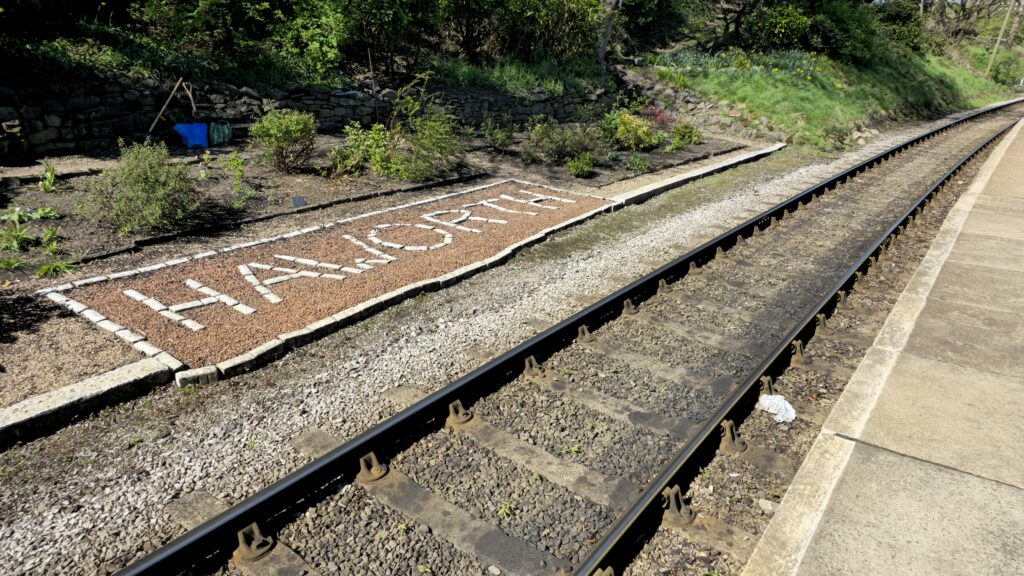
Our own adventure started at Howarth station, which is the main hub for the railway – the administrative, locomotive, and engineering center. Stepping onto the platform felt like stepping into another world. The station buildings had a real sense of history, with all their original features carefully looked after. The air buzzed with the hisses and puffs of a magnificent steam engine getting ready for its trip, the sounds and smells instantly taking us back to the age of steam.
As the whistle blew, signaling our departure, we settled into the vintage carriages, the comfy seats and wood-paneled interiors adding to the nostalgic feel. The journey from Howarth to Oxenhope was a lovely way to experience the stunning scenery of Brontë Country. The train steadily climbed, following the River Worth as it wound through the valley. Green fields, dotted with wildflowers, rolled by, with the distant, windswept moors that inspired the Brontë sisters’ writing in the background. The rhythmic sound of the train on the tracks, the occasional burst of steam outside the windows, and the gentle rocking motion made for a really charming experience, a welcome change from the speed of modern travel. The climb to Oxenhope really showed how much effort the steam engine was putting in.
Arriving at Oxenhope, the end of the line, we had a short break to stretch our legs and admire the station. Soon enough, the engine was being prepared for the return journey, and we got back on board for the next leg to Keighley. This part of the trip offered different views of the valley, with the descent providing lovely panoramas of the countryside we’d just come through.
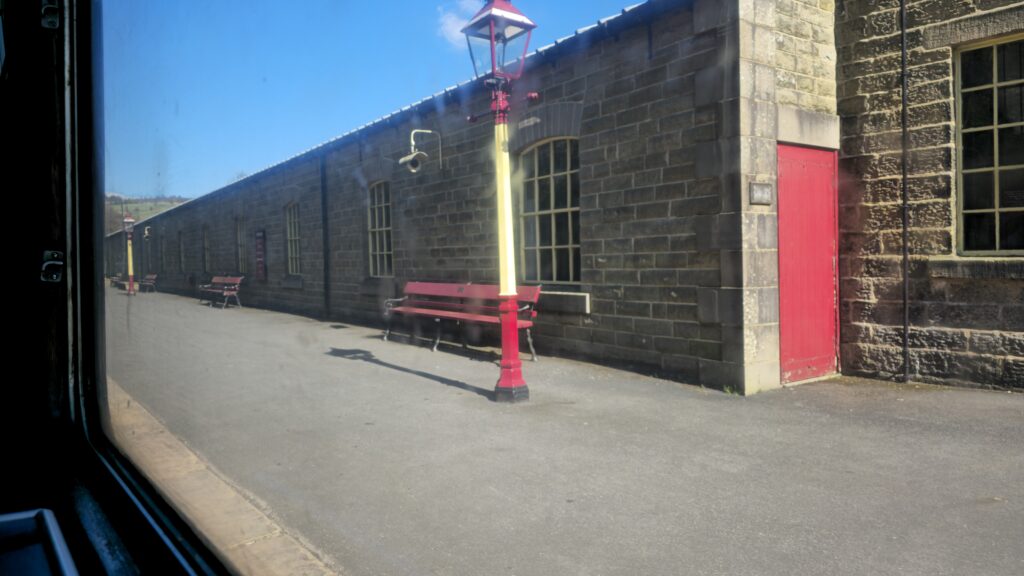
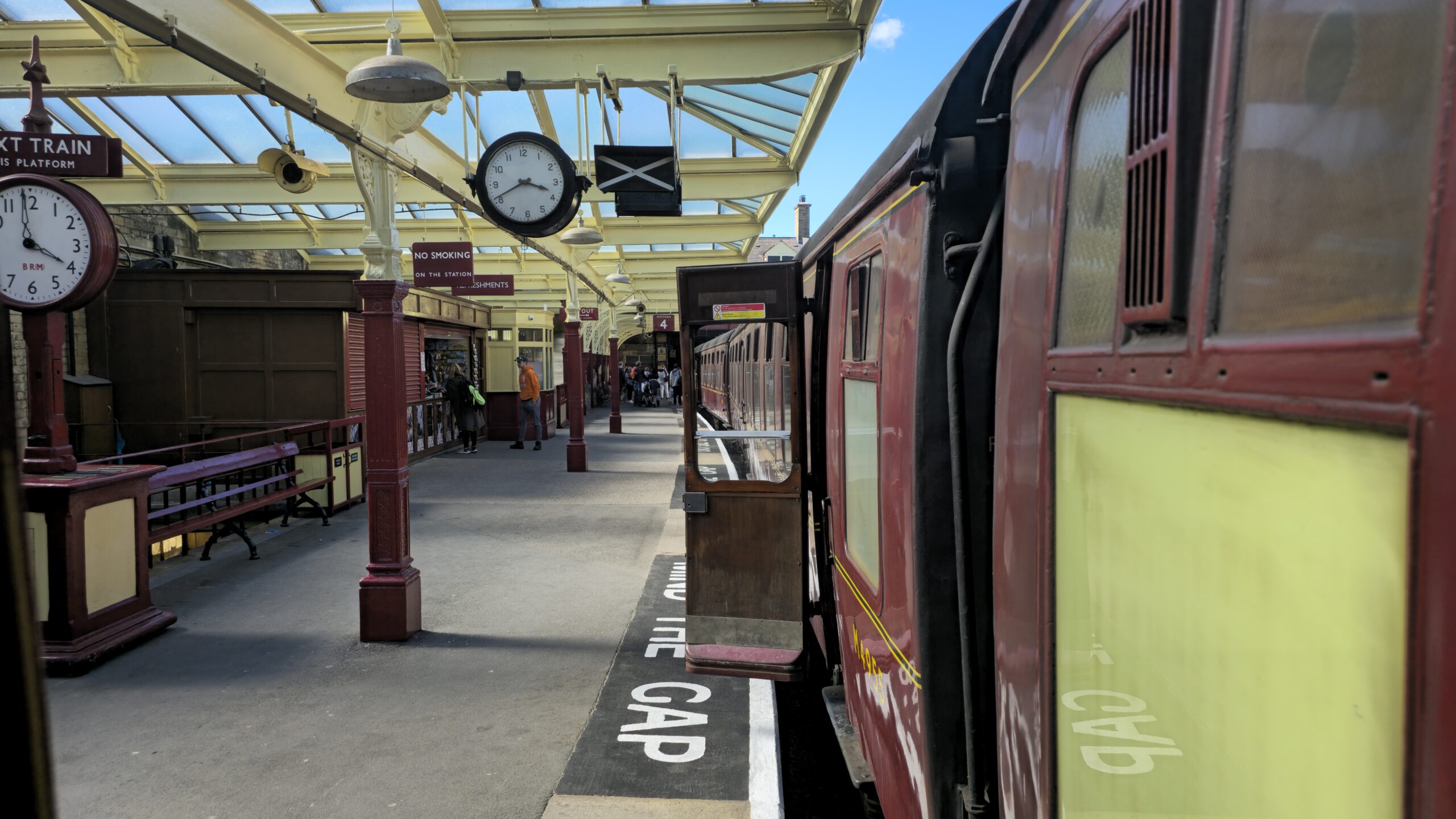
When we reached Keighley station, we noticed its unique character as it connects with the main national rail network. The Keighley & Worth Valley Railway uses platforms 3 and 4, which still have a distinct 1950s British Railways feel. Platform 4, in particular, has lots of original features, including a classic glass roof and the original waiting room. We also saw the turntable at the end of platform 3, a piece of railway history that came from the Settle to Carlisle line.
Our journey then took us back up the line, retracing our route towards Howarth. The familiar scenery looked different from this angle, with the late afternoon sun casting long shadows across the valley.
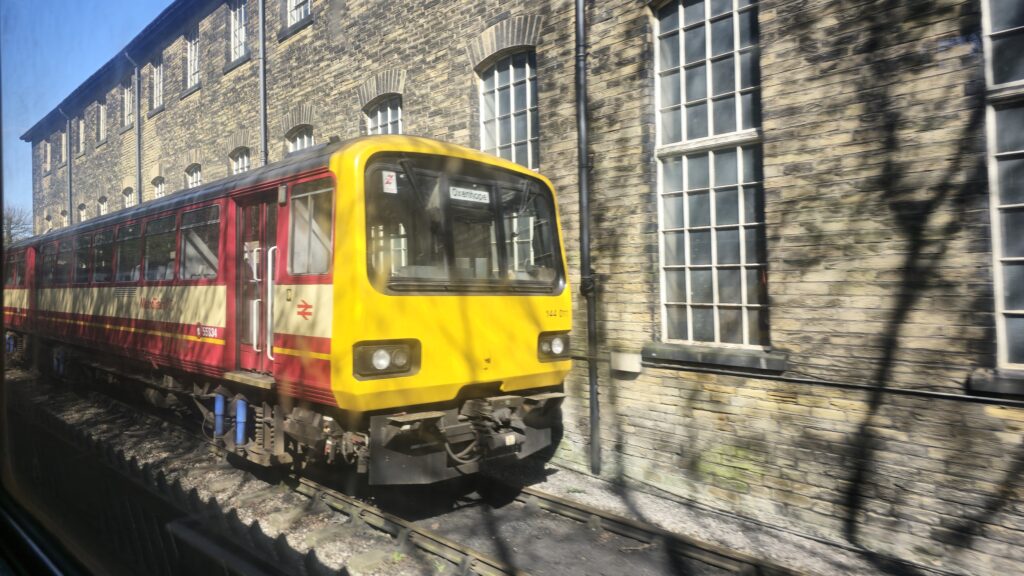
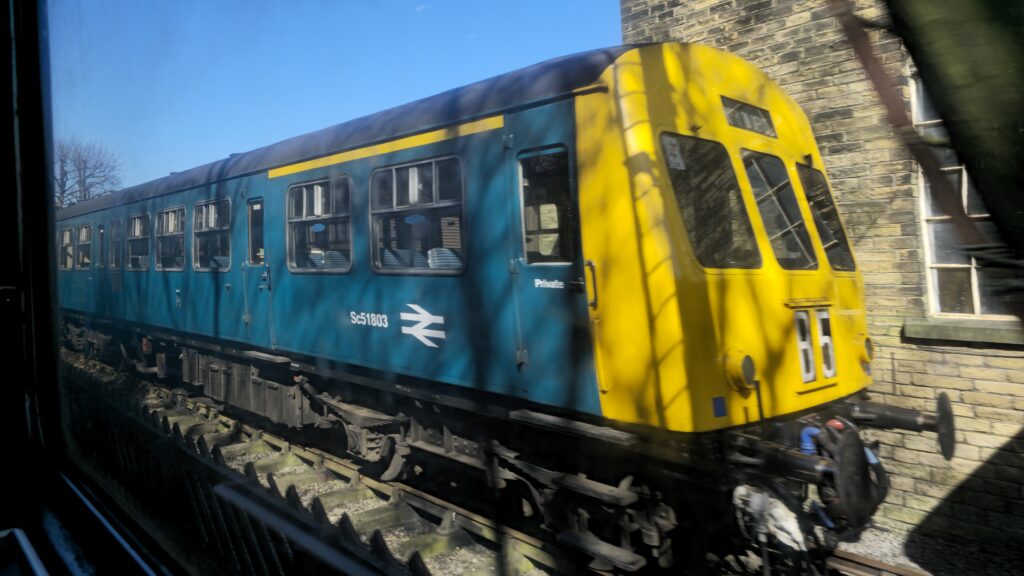
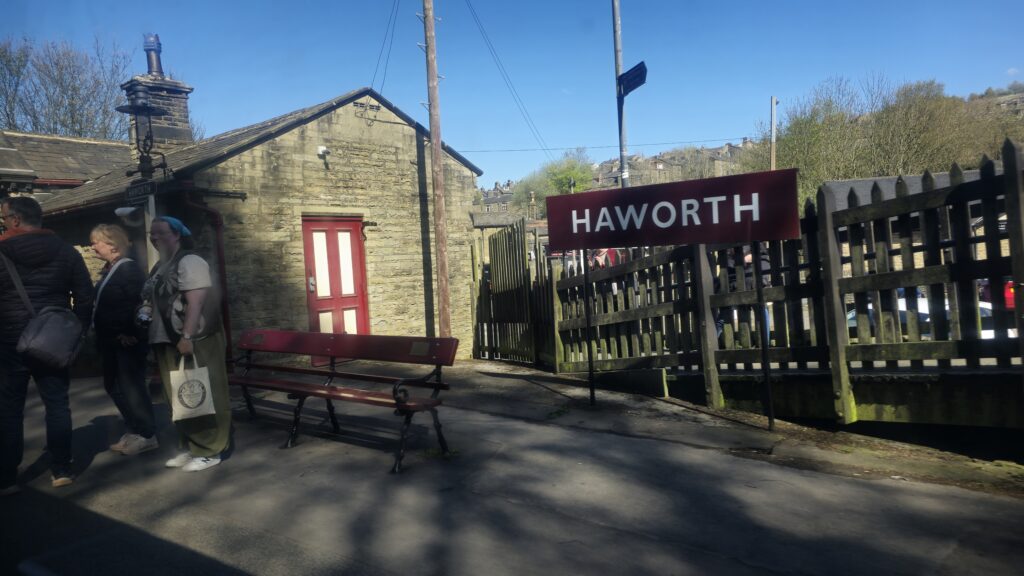
To really appreciate the Worth Valley Railway, it’s worth knowing a bit more about the stations along the line.
Howarth Station, which opened in 1867, has always been a key part of the railway’s story. After the line was saved, Howarth became its main center for administration, locomotives, and engineering. The old goods shed at the station was expanded to become the locomotive shed, providing essential facilities for looking after the railway’s steam engines. Interestingly, the station and its dedicated volunteers were featured in an episode of the ‘Look at Life’ documentary series back in 1967.
Oxenhope Station, also dating back to the railway’s opening in 1867, was the original end of the line to the south. It used to be a busy station with a large goods yard, but it became unstaffed under British Railways in 1955. Today, while still full of historical charm, Oxenhope offers modern conveniences for visitors, like plenty of free parking. Inside the station building, the former booking office is now a shop, and the booking office itself has moved to the old waiting room, which has a welcoming open fireplace. There’s also a buffet car, known as the Tea Room, for refreshments. Notably, Oxenhope is also home to the Exhibition Shed, where locomotives awaiting restoration are displayed, giving a fascinating look at the railway’s ongoing preservation work. The addition of a picnic area and a children’s adventure playground in recent years makes Oxenhope even more appealing for families.
Keighley Station, the northern end of the Worth Valley line, is unique because it’s shared with the national rail network. While platforms 1 and 2 are for the main line services, platforms 3 and 4 belong to the Keighley & Worth Valley Railway, carefully preserved to recreate the atmosphere of a 1950s British Railways station. Platform 4 still has many original features, including a striking glass roof and the original waiting room. In contrast, platform 3 shows the effects of British Railways cutbacks, but there are hopes to restore its canopies in the future. A notable feature of Keighley station is the turntable at the end of platform 3, which was acquired in 1990 from Garsdale on the Settle to Carlisle line. The signal box at the end of Platform 3 was moved here from Shipley, Bingley Junction, and will eventually control all train movements on the KWVR side of the station.
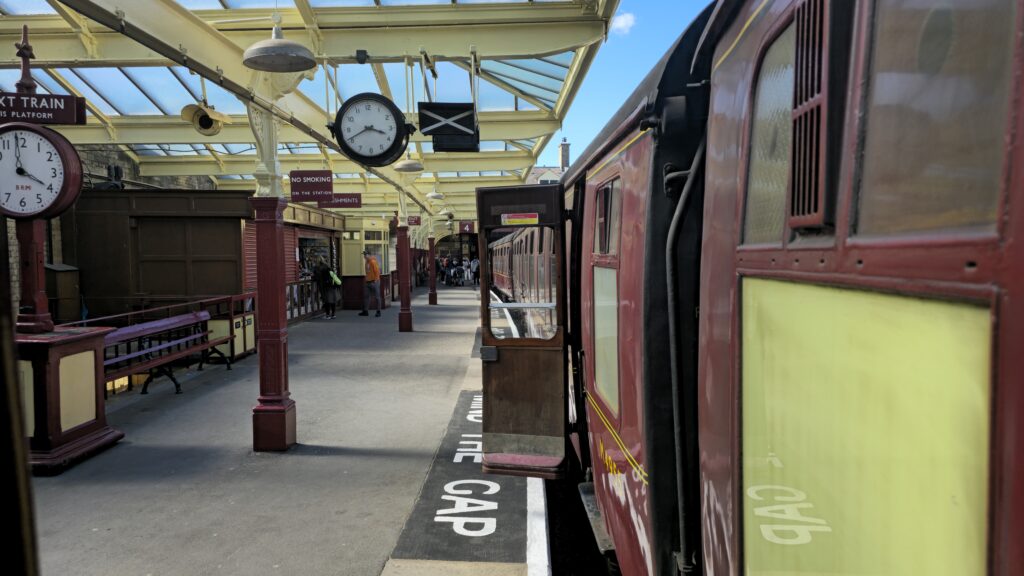
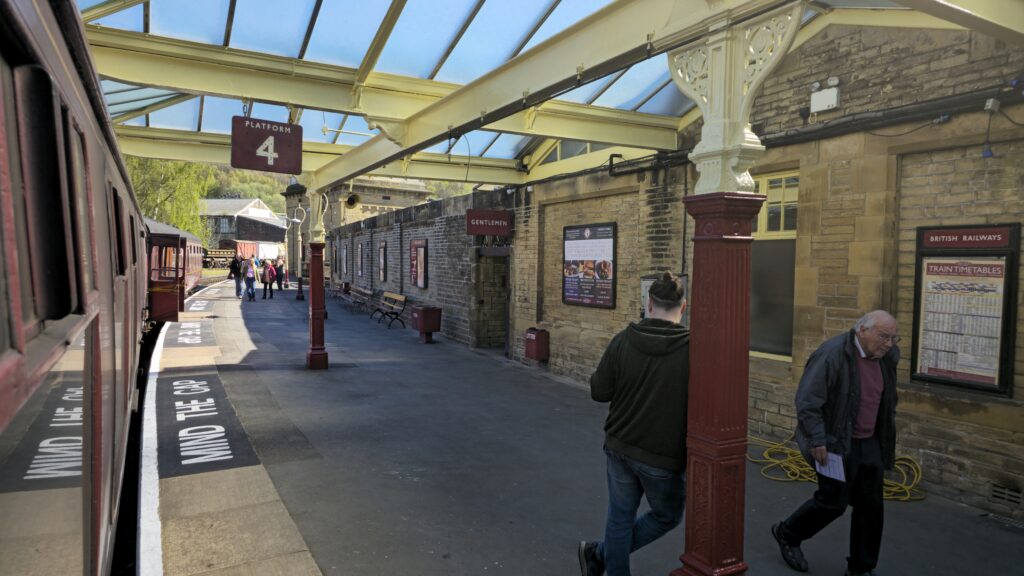
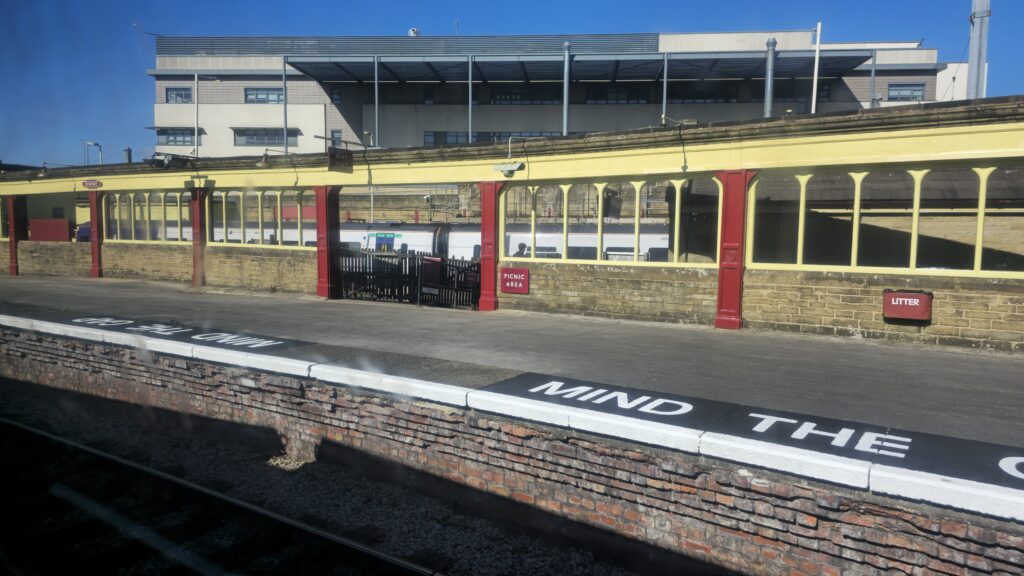
On a sunny April afternoon, the Worth Valley Railway is particularly enchanting. The weather at this time of year is usually mild, although you might get the occasional shower. The surrounding countryside is vibrant with the fresh greens of spring, and wildflowers start to bloom in the meadows. The sensory experience of a steam train journey on such an afternoon is truly delightful. Sunlight reflects off the polished metal of the locomotives, while the distinct scent of coal smoke fills the air. The sound of the steam whistle echoing through the valley adds to the nostalgic atmosphere, and the gentle rhythm of the train creates a relaxing and immersive experience. The restored stations, with their charming period details like gas lamps and vintage enamel signs, further enhance the feeling of stepping back in time. The combination of the beautiful natural surroundings and the meticulously preserved heritage of the railway creates a truly magical atmosphere, offering a welcome escape from the everyday.
April often brings special events to the Worth Valley Railway. The “Easter Express” trains are a popular attraction during the Easter holidays, which often fall in April, offering themed fun for families. Enthusiasts also look forward to the “Diesel & Ale Day” event, which is often held in April, combining a love of heritage railways with local beers. Additionally, the railway frequently offers special afternoon tea and dining experiences on board their vintage carriages, providing a unique way to enjoy the journey. These events add another layer of interest for visitors and highlight the railway’s commitment to providing diverse and engaging experiences.
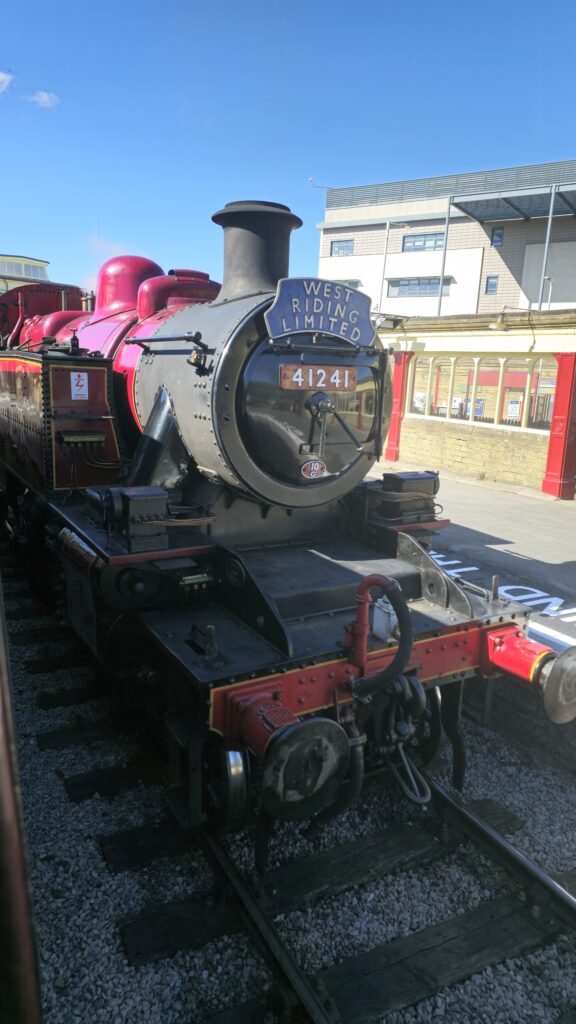
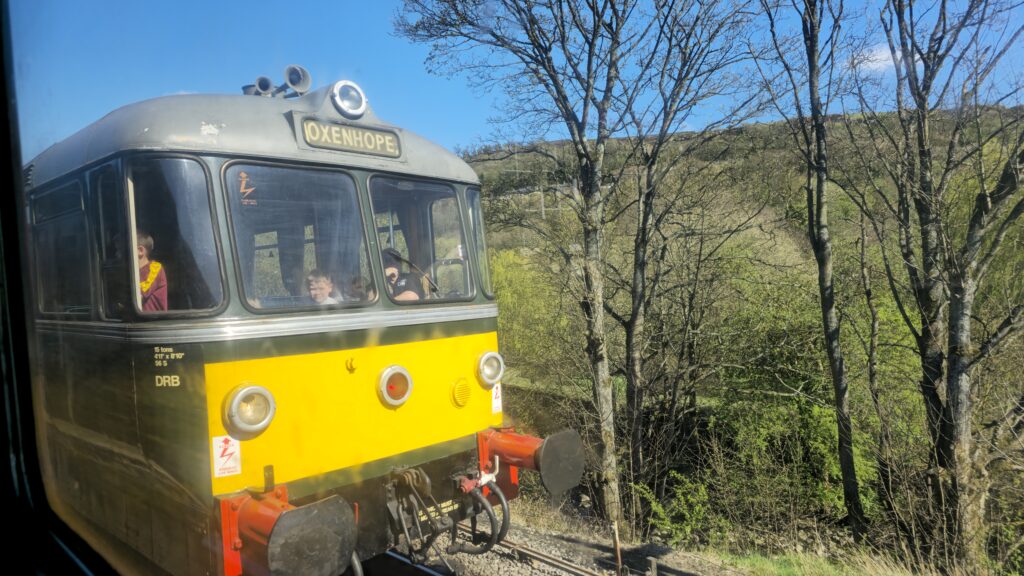
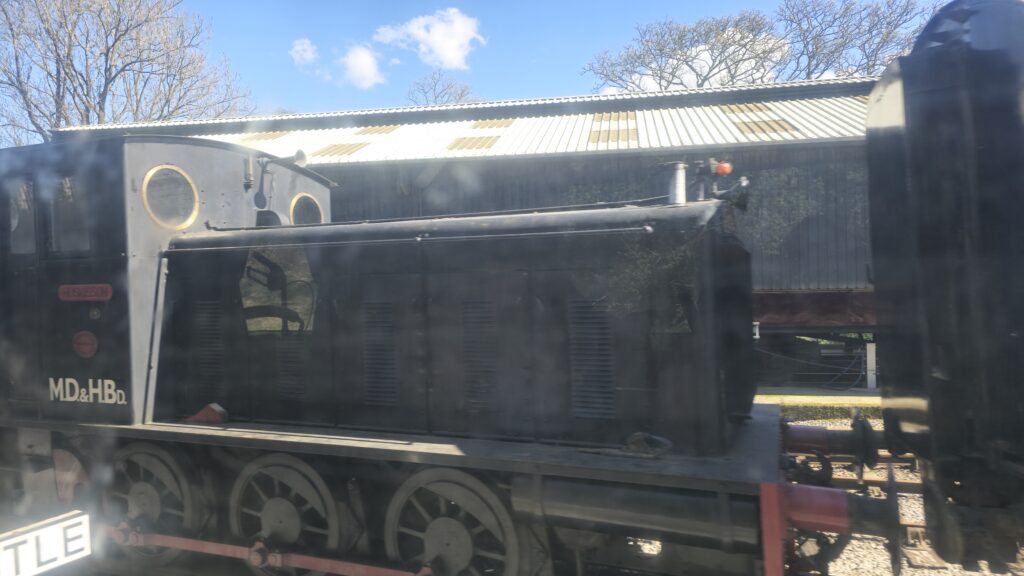
Today, the Keighley & Worth Valley Railway continues to operate as a much-loved heritage line, running both steam and diesel trains. The railway boasts an impressive collection of steam locomotives, each with its own unique history. Notable examples include the powerful ‘Bahamas’ (LMS 5XP ‘Jubilee’ Class), the reliable ‘Black 5’ (LMS Class 5MT), the resilient ‘Coal Tank’ (LNWR 0-6-2T), and the iconic GWR 5775, which famously starred as the engine in ‘The Railway Children’ film. You can usually find out which locomotives are running on any given day by checking the railway’s weekly roster. The railway typically runs trains every weekend throughout the year and offers daily services during the summer months and school holidays. Special timetables might be in place for events, so it’s always a good idea to check beforehand. The scenic journey along the entire 5-mile line from Keighley to Oxenhope is a truly memorable experience. The continued operation of the railway is a testament to the hard work of its large team of volunteers, who are dedicated to preserving and sharing this important piece of railway history.
Locomotive Name / Number TypeORClass / Built Year
Bahamas’ / 45596 LMS 5XP ‘Jubilee’ Class / 1934
Black 5′ / 45212 LMS Class 5MT /1935
Coal Tank’ / 1054 LNWR 0-6-2T / 1888
GWR 5775 / Great Western 0-6-0PT / 1929
Our visit to the Worth Valley Railway on that sunny April afternoon was more than just a train ride; it was a journey through time, a real connection to our industrial past, and a delightful step into the world of ‘The Railway Children’. The combination of carefully preserved history, stunning scenery, and the pure magic of steam travel created an experience we won’t soon forget. The dedication of the volunteers who keep this heritage line running is truly inspiring, ensuring that future generations can also enjoy the timeless charm of the Worth Valley Railway. It’s a destination that leaves you with a warm sense of nostalgia and a deep appreciation for the enduring power of history and community spirit.

Andy is the Editor of iNostalgia and is a regular contributor to our exploring history & nostalgia articles, with a love for community nostalgia.